In the world of haematology and stem cell transplantation, the umbilical cord is often discussed as a singular "miracle" resource. However, as clinicians, we must be precise. The umbilical cord is not a monolithic source of cells; it is a complex biological structure containing two distinct populations with fundamentally different clinical utility: Hematopoietic Stem Cells (HSCs) found in the cord blood, and Mesenchymal Stromal Cells (MSCs) found in the surrounding Wharton’s Jelly (cord tissue).
When patients or families ask me, "Can cord tissue help with graft-versus-host disease (GvHD)?" they are often conflating these two. My role is to clarify that while we have decades of data on the former, the latter is a dynamic, evolving field of investigation that currently operates under different clinical logic.
Distinguishing the Sources: Cord Blood vs. Cord Tissue
To understand the therapeutic landscape, we must first distinguish between these two populations. Using the term "stem cells" as a catch-all is not only inaccurate, it is clinically dangerous.
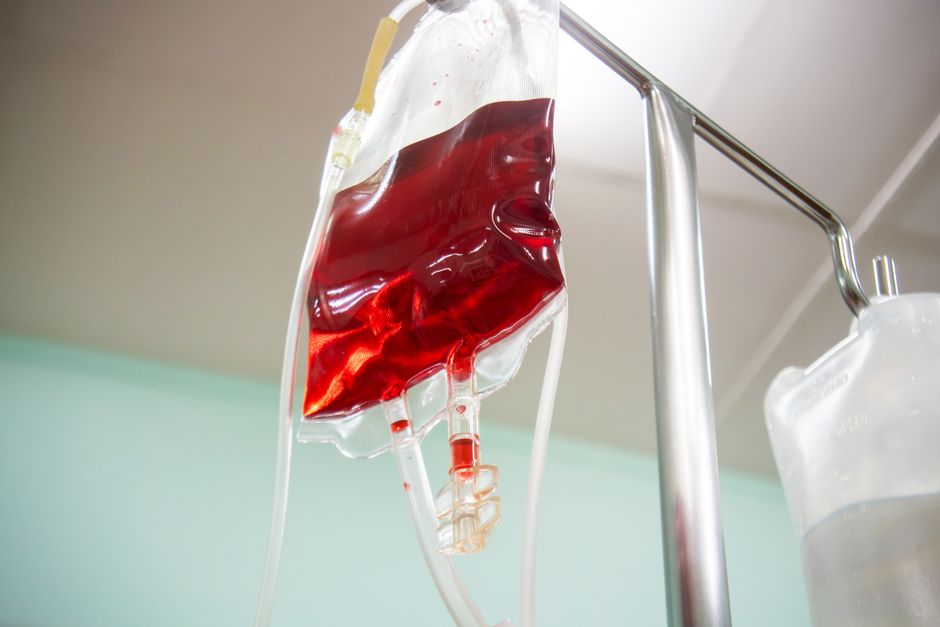
- Cord Blood (HSCs): These are blood-forming cells. They are the bedrock of modern transplantation, used to treat over 80+ disorders, including leukemias, lymphomas, and bone marrow failure syndromes. When we perform a cord blood transplant, we are replacing the patient's entire blood-forming system. Cord Tissue (MSCs): These are stromal cells. They do not form blood. Instead, they are being investigated for their immunomodulatory properties. They reside in the structural scaffolding of the umbilical cord and are currently a focus of significant early clinical work in MSC research for inflammatory and autoimmune conditions.
The Standard of Care: Cord Blood HSCs
We must ground our discussion in what is established. Cord blood HSCs have an incredible track record. Because they are "immunologically naive" compared to adult bone marrow, the matching requirements are less stringent. This is a life-saving feature for patients from diverse ethnic backgrounds who may not find an adult donor.
However, the primary goal of an HSC transplant is engraftment—the successful takeover of the patient’s marrow by the donor cells. This process carries the inherent risk of Graft-Versus-Host Disease, where the donor’s immune system recognizes the patient’s body as "foreign" and begins to attack it.
Understanding GvHD and the MSC Hypothesis
GvHD is a devastating complication. In the acute phase, it involves skin, liver, and gastrointestinal damage. First-line therapy remains systemic corticosteroids. However, a significant portion of patients—the steroid-refractory group—do not respond. This is where the interest in immunomodulatory MSCs has spiked.
The hypothesis is that MSCs, derived from cord tissue, do not necessarily "replace" cells, but rather "reprogram" the environment. They exert their effect through:
- Paracrine Secretion: Releasing factors that suppress effector T-cells. Cell-to-Cell Interaction: Directly modulating the activity of dendritic cells and macrophages. Tissue Repair: Potentially aiding in the regeneration of damaged endothelial linings.
The Current Landscape of MSC GvHD Management
While the marketing language in the broader "stem cell" industry often promises cures for everything from spinal cord injury to diabetes, clinical reality is far more measured. When we discuss MSC GvHD management, we are talking about their use hematopoietic stem cells HSC as an adjunctive therapy, not a primary replacement for transplantation or standard immunosuppression.
In early clinical work with MSCs, the goal is often to see if these cells can dampen the inflammatory cytokine storm that defines acute GvHD. While some early-phase trials have shown promise in reducing the severity of symptoms in steroid-refractory patients, we do not yet have a standardized "MSC protocol" that works universally. The medical community is still working to standardize how these cells are isolated, expanded, and delivered to ensure efficacy.
Comparative Overview: Cord Blood vs. Cord Tissue
To assist in understanding the distinct clinical pathways for these resources, I have summarized the differences in the table below:
Feature Cord Blood (HSCs) Cord Tissue (MSCs) Primary Role Hematopoietic reconstitution (blood formation) Immunomodulation and stromal support Clinical Use Established standard for 80+ disorders Investigational/Early clinical phase GvHD Role Source of GvHD risk Potential treatment for GvHD Matching HLA-matching required Hypoimmunogenic (lower matching requirements)What This Means for Practice
As a clinician, I am frequently asked if banking cord tissue is a "guaranteed insurance policy" for GvHD. My answer is always the same: No.
Banking cord tissue currently provides access to cells that are being researched, but it does not represent a proven therapy. There is a vast chasm between "showing potential in a petri dish" and "demonstrating clinical efficacy in human GvHD management."
For patients facing a transplant, we rely on established registries and evidence-based protocols. If you are entering a clinical trial involving MSCs, you are helping to build the data that will eventually decide if these cells become a standard of care. That is a noble and important contribution, but it is not the same as a guarantee of recovery.
Moving Forward: The Importance of Rigorous Data
The "stem cell" space is plagued by vague marketing claims that leverage hope to sell private banking services. It is my responsibility to tell you that when we look for scientific progress, we look for peer-reviewed, multi-center, randomized control trials.
We are seeing progress in the use of MSCs to manage the inflammatory component of GvHD, but we are not yet at the stage where every transplant center routinely administers cord tissue-derived MSCs as a standard of care. The field is maturing, and the next decade will be critical in determining whether these cells can transition from the laboratory bench to the bedside with consistent success.

If you or a loved one is navigating a transplant, focus your questions on the transplant team's protocols regarding current clinical trials and established prophylactic measures for GvHD. Do not equate the storage of biological material with the possession of a medical cure.
Summary of Key Clinical Takeaways
Distinction is Key: Cord blood (HSCs) and Cord tissue (MSCs) are different tools for different jobs. Evidence Gap: While cord blood is a cornerstone for 80+ disorders, the use of cord tissue for GvHD is still undergoing rigorous investigation. Management vs. Cure: Immunomodulatory MSCs are being studied as a way to *manage* severe GvHD symptoms, not to replace the foundational care of a transplant. Critical Thinking: Be wary of any claims that suggest MSCs are a "one-size-fits-all" solution for immune-mediated diseases.The future of transplantation lies in our ability to better manage the immune environment—a goal for which MSCs hold significant promise. However, as clinicians, we must remain tethered to the data, ensuring that we never confuse scientific potential with current, established clinical outcome.