If you have been watching the wellness landscape as closely as I have over the last decade, you’ll know that 2026 feels like a turning point. We have moved past the “detox tea” era. We are no longer chasing vague feelings of zen; we are optimizing for functionality. People want to get through their workday without debilitating pain or anxiety, and the conversation around Cannabis-Based Medicinal Products (CBMPs) has finally matured to reflect that.
CBMPs are prescription medications derived from the cannabis plant that have been approved by the Medicines and Healthcare products Regulatory Agency (MHRA) for use under specific conditions. It is not just about “feeling better”; it is about clinical management.
However, there is a recurring friction I see in my inbox: the confusion between flower products and oils. Let’s strip away the stigma and the marketing fluff to look at how these prescriptions actually work within the UK medical system.
The Reality of Medical Cannabis in the UK
Let’s get one thing straight: Medical cannabis in the UK is https://smoothdecorator.com/medical-cannabis-for-anxiety-related-symptoms-in-the-uk-whats-actually-realistic/ not a “lifestyle accessory.” If a clinic is suggesting it is a quick fix for general stress, run a mile. It is a strictly regulated medicine, usually reserved for patients who have tried—and failed to find relief with—first-line treatments like SSRIs or standard pain management protocols.
The stigma is changing, slowly. Patients are no longer just the “underground” activists of the 2010s. They are office workers, parents, and retirees. When I speak to staff at clinics like Releaf, the UK’s largest medical cannabis clinic, the focus is almost exclusively on patient outcomes, data tracking, and safety. There is no room for the casual atmosphere you might find on a site like starbucks-menus.com, where the goal is consumer enjoyment; medical cannabis portals are built for clinical accountability.
Oil vs. Flower: The Technical Breakdown
When you consult with a specialist, they will choose between oil and flower based on your specific metabolism, the severity of your symptoms, and how quickly you need relief. The primary difference is the delivery method—how the medication enters your bloodstream.
Cannabis Oil UK: Stability and Duration
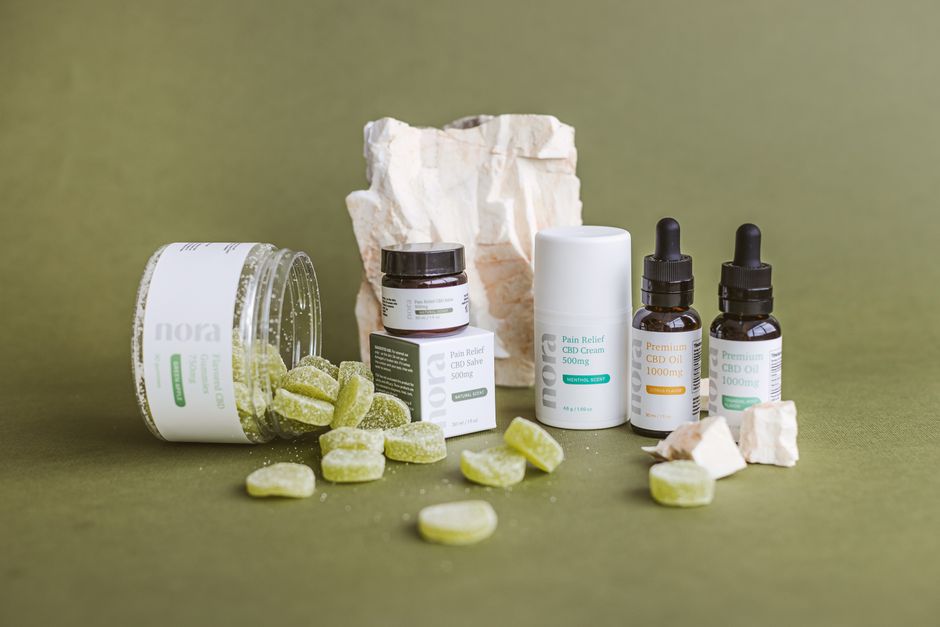
Cannabis oil is usually taken sublingually (under the tongue) or swallowed. Because it travels through the digestive system or is absorbed through the mucosal lining, it takes longer to kick in—often 60 to 90 minutes. However, the effects last significantly longer, sometimes up to eight hours.
Think of oil as the “background noise” of your treatment. It provides a steady, consistent baseline of medication. For chronic conditions like fibromyalgia or long-term neuropathic pain, this stability is often the gold standard.
Flower Products: Rapid Relief
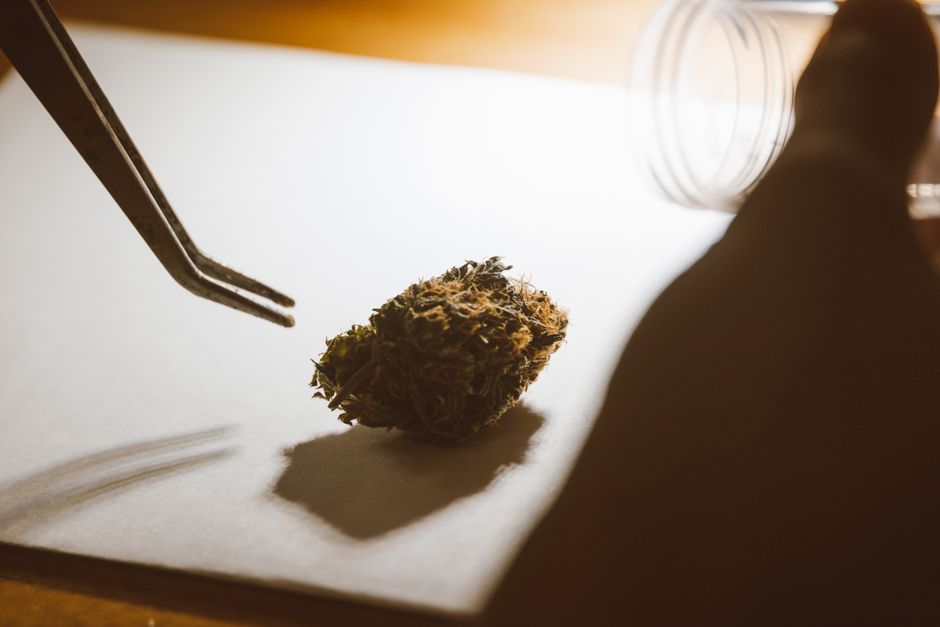
When we talk about flower products, we are referring to dried cannabis buds that are vaporized—never smoked—using a TGA-approved medical vaporizer. This method allows cannabinoids to enter the bloodstream via the lungs, acting within minutes.
This is often used for “breakthrough” symptoms. If you have a sudden spike in anxiety or a flare-up of pain that your base oil isn't covering, a small amount of vaporized flower can bridge the gap. It is precise, potent, and allows for much finer control over your dosage timing effects.
Comparison Table: Key Differences
https://bizzmarkblog.com/is-it-normal-to-feel-overwhelmed-by-all-the-cannabis-formats/ Feature Cannabis Oil Flower (Vaporized) Onset of Action 60–90 Minutes 5–10 Minutes Duration of Effect 6–8 Hours 2–4 Hours Primary Use Maintenance/Baseline Breakthrough Symptom Management Administration Oral/Sublingual VaporizationDosage Timing Effects: The Importance of the Patient Diary
One thing that irritates me to no end is the lack of follow-up discourse in mainstream media. Patients are often left wondering how to manage their titration (the process of finding the lowest effective dose). You don't just "take" cannabis; you document it.
Dosage timing effects are highly individual. Your endocannabinoid system—the complex cell-signaling system in your body that regulates sleep, mood, and appetite—is as unique as your fingerprint. What works for your neighbor will likely be wrong for you.
If you are looking for more technical information on how cannabinoids interact with the brain, I highly recommend checking out Healthline for their breakdown of CBD vs THC. It’s a solid resource for understanding the chemical profile of what you are putting into your body.
Clinic Structure and Medical Oversight
When you use a service like Releaf, you aren't just buying a product; you are entering a loop of medical oversight. This is non-negotiable. Legally, the prescription must be authorized by a specialist doctor on the GMC Specialist Register.
The workflow looks like this:
Eligibility Check: You provide medical records proving you have tried other treatments. Consultation: A specialist doctor reviews your history. MDT Review: Multi-Disciplinary Teams often meet to confirm the safety of the proposed treatment plan. Prescription: The medication is sent to a partner pharmacy. Follow-ups: You check in regularly to report side effects, progress, and dosage adjustments.If a clinic skips these steps, they are operating outside of the spirit of the law and, potentially, the letter of it. Please, for your own safety, verify that your clinic is CQC-registered.
Conditions Commonly Explored
While the list of conditions continues to grow as research expands, the most common areas of exploration for medical cannabis in the UK currently include:
- Chronic Pain: Including neuropathic pain and osteoarthritis. Mental Health: Specifically treatment-resistant anxiety or PTSD. Neurological Conditions: Multiple Sclerosis (MS) spasticity. Insomnia: When linked to underlying chronic health issues.
My "Notes App" Truths: Things People Assume Are True
I keep a list of things people assume are true about medical cannabis. It’s my way of cutting through the noise. Here are the top three myths debunked:
- Myth: "It’s all the same, just branded differently." Reality: Cannabis is a botanical product with hundreds of active compounds. The ratios of cannabinoids (CBD vs THC) and terpenes (the aromatic oils) mean that "Strain A" is chemically worlds apart from "Strain B." Myth: "You can use medical cannabis anywhere because you have a prescription." Reality: Legally, you are protected, but you still have to be mindful. Always carry your prescription copy and original packaging. Being a medical patient doesn't grant you a "get out of jail free" card for public intoxication. Myth: "Natural means it doesn't have side effects." Reality: "Natural" is just a marketing term. Cannabis can interact with other medications, cause dizziness, or increase heart rate. It is a medicine, and it carries the risk profile of a medicine.
The Bottom Line
The shift toward medical cannabis in 2026 is a move toward autonomy. Patients are no longer willing to accept side effects from traditional pharmaceuticals that make them feel like "zombies." They want something that targets the issue without silencing their entire personality.
Whether you end up with a prescription for flower products or cannabis oil, remember that your health journey is a partnership between you and your consultant. Be honest about your symptoms, keep a diligent diary of your dosage timing effects, and never treat this like a casual weekend experiment. It is a serious tool for symptom management—use it as such.
Disclaimer: I am a health writer, not a doctor. This information is for educational purposes and does not constitute medical advice. If you suspect you have a condition that requires medical cannabis, please consult your GP or a specialist clinic for a professional clinical assessment.