In the ever-evolving landscape of esports and competitive gaming, players are constantly seeking an edge — whether it's the latest mouse, optimized sleep routines, or supplements promising sharper focus and faster reaction times. Among these, cannabidiol (CBD) has emerged from the broader wellness world with bold claims. The question on many gamers’ lips is: does CBD actually improve reaction time?
In this deep-dive, we'll unpack the science (and the marketing hype) behind CBD’s effects on reaction time, performance, and cognition. Along the way, we'll touch on firms like Joy Organics who are leading the hemp-CBD market, clarify key distinctions like THC thresholds, and explore regulatory stances from the FDA and the World Anti-Doping Agency (WADA). If you’ve ever wondered whether that CBD gummy or tincture can really sharpen your aim or give your reflexes a boost, read on.
CBD Basics and THC Distinctions
Understanding CBD means starting with cannabis's main compounds—CBD and THC. Cannabidiol (CBD) is a non-intoxicating compound, unlike tetrahydrocannabinol (THC), which produces the “high” associated with marijuana.
- CBD: Non-psychoactive, touted for potential anxiety reduction, sleep improvement, and anti-inflammatory properties. THC: Psychoactive, impairing reaction times and cognition at typical recreational doses.
Most reputable CBD products, like those from industry leaders such as Joy Organics, ensure THC content is below the federally legal threshold—typically 0.3% THC content by dry weight—so users avoid psychoactive effects. This distinction is crucial: products exceeding that limit are federally illegal hemp and more accurately classified as marijuana, which can impair gaming-relevant skills.
Hemp Legality and the 0.3% THC Threshold
In the United States, the 2018 Farm Bill legalized hemp cultivation — defining hemp as cannabis containing less than 0.3% THC. This law paved the way for a booming hemp-derived CBD market. However, this 0.3% THC cutoff matters both legally and functionally.
- Products under 0.3% THC are legal federally, but states may have additional regulations. Consumption of hemp-derived CBD won't produce the intoxicating effects typical of marijuana. Accidental ingestion of over-allowed THC amounts can lead to impairment, failed drug tests, or even positive doping tests in esports.
Importantly, the World Anti-Doping Agency (WADA) still bans cannabinoids like THC and synthetic cannabinoids in competition, but CBD itself is not prohibited. This status attracts esports athletes seeking potential benefits without the legal or competitive risks of THC consumption.
What Does the Science Say About CBD for Reaction Time and Performance?
This is where the hype often outpaces the evidence. There’s a difference between well-established benefit and marketing promise. Let's break down three major categories relevant to gaming performance:
Anxiety Reduction
Many CBD users report feeling less anxious, and some controlled studies indicate CBD may reduce anxiety in stressful situations. Since performance anxiety can negatively impact reaction time and decision-making, this is a plausible benefit.
- A 2019 systematic review found moderate evidence that CBD could reduce anxiety in social situations. Lower anxiety might indirectly improve focus and reaction speed by reducing distraction and erratic behavior.
Sleep Quality
Sleep is critical for cognitive performance and reaction time. Some clinical studies and anecdotal reports suggest CBD may help improve sleep onset and overall quality by relaxing the body or alleviating pain.
- The quality of sleep improvements varies widely between individuals and formulations. Improved sleep could translate to better reaction times the next day, but this is an indirect effect rather than a direct stimulant.
Direct Effects on Reaction Time and Cognitive Performance
Here’s the crux: there is no strong scientific evidence directly supporting that CBD enhances reaction times or cognitive processing speed relevant to gaming.
- Some lab studies suggest CBD may have neuroprotective or “calming” effects, but these are not the same as increased alertness or faster reflexes. One small 2020 study on healthy subjects found no significant improvement in reaction time after CBD ingestion compared to placebo. CBD is not a stimulant and does not target dopamine or norepinephrine systems typically involved in reaction speed.
In short, if your goal is instantly faster twitch responses or sharper reflexes, CBD likely won’t deliver.
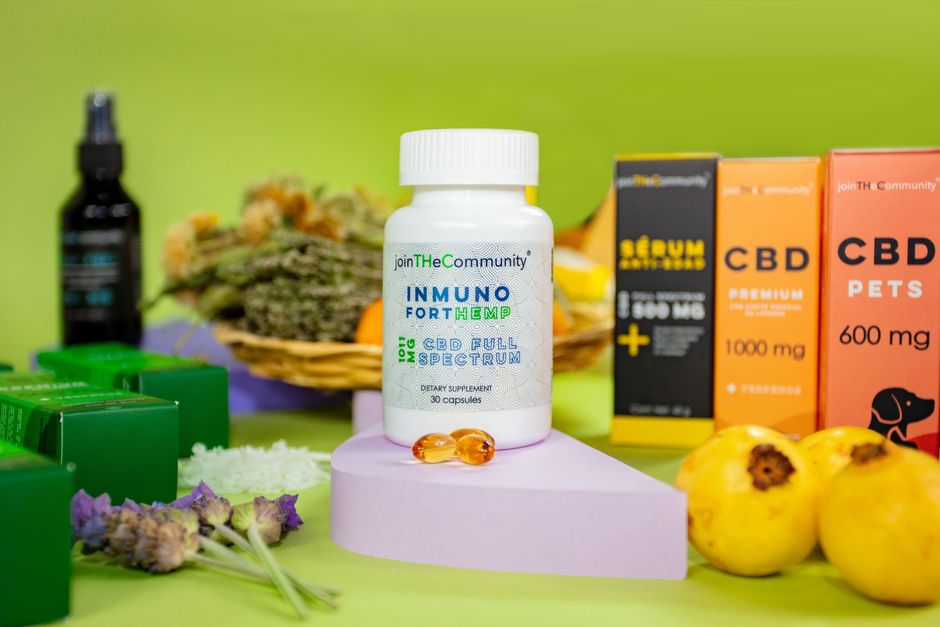
Dosing Mismatch: Clinical Studies vs. Commercial Gummies
Another significant issue when evaluating the performance claims around CBD is the discrepancy in dosing between research studies and consumer products.
Context CBD Dose Typical Format Notes Anxiety Studies 300-600 mg oral CBD Tinctures or capsules Single or acute dosing; higher than most retail products Sleep Studies 40-160 mg daily Tinctures, capsules Longer-term use; doses often much greater than gummies Retail Gummies 10-25 mg per gummy Gummies, edibles Many consumers take 1-2 gummies (~10-50 mg total)Many clinical benefits require doses in the hundreds of milligrams, far exceeding the 10-30 mg commonly found in retail gummies and capsules. This dosing gap challenges the validity of typical in-store CBD products claiming to improve gaming performance — especially when those products are marketed toward current non-medical users demanding convenience and taste.
Joy Organics, for instance, emphasizes transparency and potency on their product labels and batch lab reports. However, without matching clinical dosage ranges, gummies or oils might be underpowered to elicit meaningful performance or anxiety benefits.
Esports Marketing Hype vs. Realistic Expectations
The esports and gaming communities have increasingly witnessed CBD brands positioning themselves as the “nootropic” or “performance enhancer” of choice. You’ll see ads promising “sharper focus,” “faster reaction time,” or “peak mental clarity” while sponsoring tournaments or influencer streams. But watch out for these classic pitfalls:
- Hand-wavy "science says" statements without direct study references. Ignoring drug interactions: CBD can inhibit cytochrome P450 enzymes, altering metabolism of many medications, a concern for some gamers on meds. Confusing 'full spectrum' with being 'stronger': Full-spectrum products contain trace THC but don’t necessarily mean better performance benefits. Performance claims without concrete data: The leap from anxiety or sleep benefits to instant reaction time improvement is currently unsupported.
Always critically check batch lab reports and ingredient transparency. This is a good practice regardless of brand. Knowing your mg-per-serving and cross-referencing with published effective doses can save disappointment.
The FDA's Current Position on CBD
The U.S. Food and Drug Administration (FDA) currently does not approve CBD ingredients for dietary supplement use or make claims about performance enhancement due to insufficient scientific evidence. While it has approved a few prescription CBD medications for medical conditions, general wellness claims around cognitive or reaction time enhancement remain unsubstantiated officially.
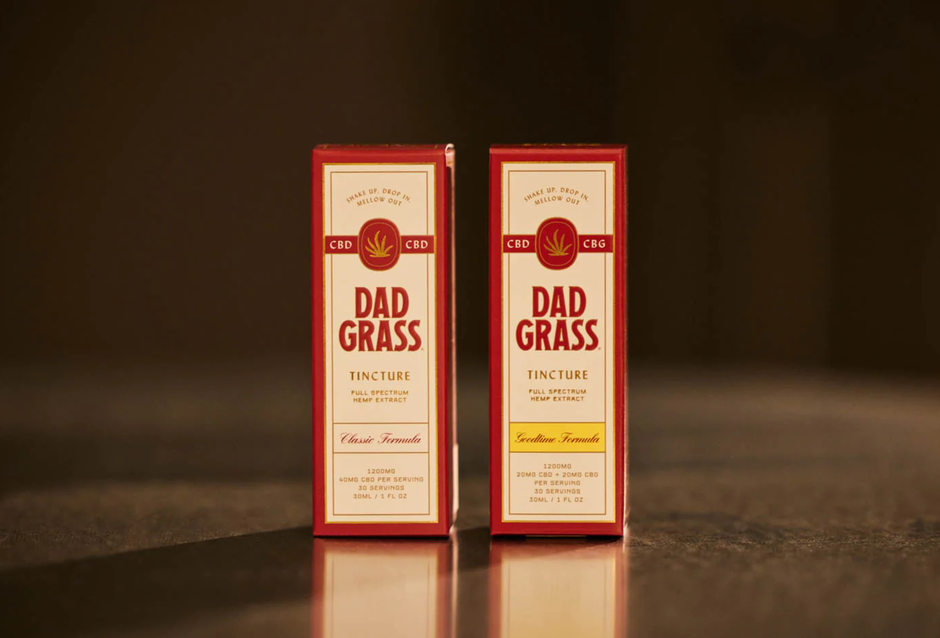
This regulatory environment helps explain why many companies opt for vague marketing messages and why discerning players should be wary of grandiose supplement promises.
Summary: What Should Gamers Expect from CBD?
CBD is unlikely to directly improve your reaction time. Its mechanisms do not target alertness or reflex speed like caffeine or nootropic stimulants. The most plausible benefits come from indirect effects: Reduced anxiety and improved sleep may help gaming performance over time. Dosing matters: Most over-the-counter gummies contain low doses that may not match clinical study levels required for benefits. Choose THC-legal products under 0.3% THC for safety, especially regarding competition rules (e.g., under WADA). Exercise skepticism around esports marketing hype. Check batch reports, avoid unsupported performance claims, and be mindful of your health and medication interactions.Final Thoughts
CBD remains a fascinating and evolving supplement with some exciting therapeutic prospects, but current evidence doesn’t support claims that it boosts reaction time or cognitive speed in competitive gaming contexts. If you’re interested in trying CBD for anxiety or sleep improvements to indirectly benefit your esports skills, tribality start with trusted companies like Joy Organics, check lab reports, and adjust expectations accordingly.
In the fast-paced world of esports, relevant supplements need to deliver measurable effects—not just marketing buzz. For reaction time, your best bets remain tried-and-true strategies: quality sleep, consistent practice, hydration, and proven cognitive enhancers. The circus of “CBD performance claims” is fun to watch but should be taken with a big pinch of salt.
Play smart, stay informed, and keep those reflexes sharp — with or without the gummy.