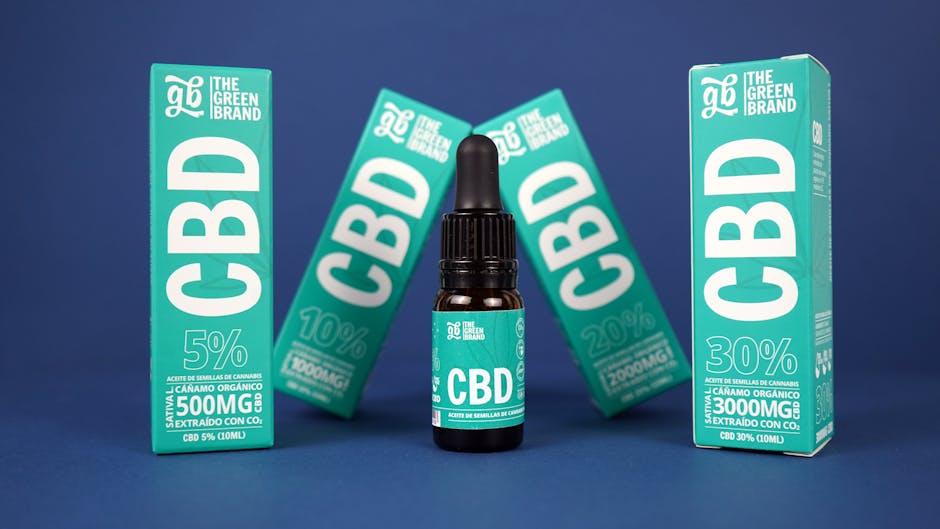
In the booming world of cannabidiol (CBD) products, consumers often find themselves wondering: how do I know I'm really getting what I paid for? With countless brands flooding the market, ensuring product quality and transparency is essential not only for your health but also your wallet. In this article, we’ll dissect key factors such as third-party lab results, hemp source transparency, clean growing conditions, and different extraction methods CBD oil uk to arm you with the insight you need to make informed, confident purchases.
Why Transparency Matters in CBD Products
Many CBD brands boldface their marketing with promises of “premium quality” and “highest purity,” but what is often obscured is the true source of their hemp or the real cannabinoid content inside the bottle. Without transparency, consumers risk buying products that underdeliver—sometimes significantly—with lower CBD potency, hidden contaminants, or even illegal THC levels.
Transparency starts at the beginning — the hemp plant.
Hemp Source Transparency
The geographic origin of hemp matters because hemp is a biosponge — it absorbs chemicals and heavy metals from its environment. Hemp grown in poorly regulated areas with polluted soil increases contamination risks, compromising your health.
- Look for US or EU grown hemp: These regions uphold stricter agricultural standards, reducing contamination risk. Farm Certifications and Practices: Brands that openly share farm names, cultivation methods, or hold certifications like USDA Organic give users more assurance about quality and safety. Harvest date: Fresh hemp is preferred for maximum cannabinoid potency, so brands that display harvest or production dates afford added transparency.
Understanding the Role of Third-Party Lab Results
One of the most reliable ways to know what’s inside your CBD product is through third-party testing. Independent laboratories analyze product samples for cannabinoid potency, terpene content, contaminants like pesticides, heavy metals, solvents, and microbial life. These tests culminate in Certificates of Analysis (COAs).
COA Style PDFs: Your Best Friend in CBD Shopping
COAs typically come as comprehensive PDF documents that should be freely available on a brand’s website or promptly provided on request. These documents provide batch-specific data, proving what’s inside your specific bottle or package.
When reviewing COAs, pay attention to the following:
Batch Number: It must match the batch number on the product label. CBD and THC content: Check that these align with the label claims and that THC stays below legal limits (0.2% in EU; 0.3% in US). Testing date: Validates that the COA is recent and relevant. Contaminants: Look out for zero or acceptably low levels of pesticides, heavy metals, residual solvents, and microbes.Beware of brands that don’t post COAs, or worse, present outdated or batch-non-specific test results. That’s a red flag I keep on my notes app!
Using Issuu Reader Embeds for Easy Access
Some companies employ Issuu viewer embeds to showcase COAs directly on their websites. This allows customers to browse the full test report interactively, without downloading multiple https://highstylife.com/how-to-check-cbd-concentration-so-you-do-not-overpay/ PDFs or hunting through website files. The embedded format offers convenience and transparency, making it easier for you to verify products before purchase.

However, be cautious about the context: always check the batch number and date even with embedded documents. Glossy presentation alone isn’t enough if the data isn’t up to date or specific.
Clean Growing Conditions and Contamination Risks
We touched earlier on the importance of hemp source, so let’s explore the most common risks around growing conditions:
- Pesticides and Herbicides: Though pesticides improve crop yields, heavy residues in CBD products can be harmful. Organic cultivation usually excludes chemical pesticides entirely. Heavy Metals: Hemp easily absorbs metals like lead, arsenic, and mercury from soil. Contaminated hemp leads to harmful toxins in your CBD oil. Microbial Contamination: Improper drying and storage of hemp can lead to mold or bacteria growth, which are hazardous when inhaled or ingested.
Manufacturers who truly care about quality will conduct routine testing for these risk factors and display their findings in the COA. If they don’t, or if testing data is vague, consider it a warning sign.
Extraction Methods: CO2 vs. Ethanol
Extracting cannabinoids from hemp requires solvents and equipment. Two most common methods are supercritical CO2 extraction and ethanol extraction. Each has advantages and drawbacks impacting purity and final product profile.
CO2 Extraction: The Gold Standard
Supercritical CO2 extraction uses pressurized carbon dioxide as a solvent. This method preserves cannabinoid and terpene integrity by avoiding heat and chemical residues. Some benefits include:
- Cleaner extracts: Virtually free of solvent residues. Selective extraction: Operators can fine-tune pressure and temperature to target specific compounds. Eco-friendly: CO2 is non-toxic and recycled during the process.
However, CO2 extraction requires expensive equipment and technical expertise, often leading to higher product costs.
Ethanol Extraction: Versatile, but Riskier
Ethanol extraction involves soaking hemp biomass in ethanol to dissolve cannabinoids and terpenes:
- Efficient and affordable: Easier setup than CO2 extraction, making it common among small producers. Potential solvent residues: If not purged properly, residual ethanol can remain. Broader extraction profile: May also pull chlorophyll, which impacts taste and color.
Reliable manufacturers invest in high-temperature vacuum purging to remove ethanol traces and produce clean extracts. Check COAs for residual solvent tests to confirm extraction purity.
How to Verify Label Accuracy and Product Authenticity
Even with trustworthy hemp sourcing and clean extractions verified, the question remains: Is the label on your bottle telling the truth? Here’s how to confirm:
Check cannabinoid profiles on third-party lab results. The CBD, THC, and other cannabinoid levels should closely match label claims. Match batch numbers: Ensure the tested batch matches your product’s batch code. Confirm legality: THC levels must be below 0.2% (EU) or 0.3% (US). Vague wording like “non-psychoactive” or “THC-free” without data is suspect. Review terpene content (if listed): Terpenes contribute to efficacy and flavor; COAs with detailed terpene breakdown show quality extraction. Look for contaminant tests: Labels often omit pesticides and heavy metals, so labs are the place to verify safety.If you encounter a brand with no lab results or COAs, outdated or unclear testing, or inconsistent label claims, it’s wise to abandon your cart and look elsewhere to avoid wasting your money.
Summary Table: Key Red Flags vs. What to Look For
Red Flags Positive Indicators No third-party lab results or COA Current, batch-specific third-party COAs available publicly Lab results outdated or don’t match batch numbers COA includes batch number matching product label THC content not disclosed or vague phrases like “THC-free” without evidence THC levels clearly reported and compliant with legal limits No hemp source or cultivation details Brands disclose hemp origin, farm certifications, and harvest date Extraction method hidden or ambiguous Transparent description of extraction (e.g., CO2 or ethanol) with residual solvent testing Labels say “highest quality” without any evidence Labels supported by lab results, farm transparency, and extraction detailsFinal Thoughts
Ensuring you get exactly what you paid for in CBD products boils down to diligence and critical evaluation. Demand transparency about hemp sources, scrutinize third-party lab results via accessible COA PDFs or even Issuu embeds, understand extraction trade-offs, and verify label accuracy with objective data.
Remember, if a company is unwilling or unable to provide clear, batch-specific, and recent COA documentation, or hides behind vague marketing claims, it’s better to trust your instincts and walk away. With so many reputable brands prioritizing honesty and quality, you don’t have to settle for less.
Use these guidelines as your personal checklist to shop confidently, knowing that your health and your money are protected.