After 11 years of trudging through convention center carpets, dodging vendor pitches in buffet lines, and watching companies burn six-figure marketing budgets on “the biggest event of the year,” I’ve developed a sensory-based alarm system. If the keynote sounds like a venture capital echo chamber and the venue layout makes it physically impossible to have a 10-minute conversation, I’m out.
As we look toward 2026, the digital health landscape is shifting from “growth at all costs” to “show me the clinical utility.” Healthcare systems are under immense workforce pressure, and the AI hype cycle is finally hitting the wall of reality. If you are a digital health vendor or a hospital strategist, your travel budget is not a slush fund. It is a strategic deployment. Stop wasting it.
The Venue as a Proxy for Success
I always check the venue first. If a conference is hosted in a sprawling, multi-level convention center where you spend 20 minutes walking between session rooms, the networking is going to fail. You will spend your day in transit rather than in conversation. Conversely, boutique summits held in purpose-built hotels or compact, dedicated meeting spaces often yield a higher return on investment because the flow is intentional. In 2026, if you see a conference moving to a massive, impersonal arena, ask yourself: is this for the attendees, or is this to inflate the organizer's ego?
Trade Show vs. Summit: Know the Difference
One of the most common mistakes is treating a trade show like a summit. A trade show is for discovery—it’s loud, it’s broad, and it’s about brand visibility. A summit is for business development—it’s quiet, it’s curated, and it’s about closing loops.
The Trade Show (The "Broad Net" Strategy)
- Goal: Brand awareness, competitive intelligence, and lead generation. Metric: Total leads captured. Risk: "Random badge scans." If you are scanning badges just to meet a quota, you aren't networking; you’re hoarding contact information that will never convert.
The Summit (The "High-Intent" Strategy)
- Goal: Partnership formation, deep-dive problem solving, and executive peer networking. Metric: Number of meaningful follow-up meetings scheduled. Risk: Echo chambers. Don't pay $5,000 to hear people who already agree with you.
The 2026 Strategy: Filtering by Need
Before you commit a dollar of your 2026 budget, you need to map your goals against the industry’s current pain points. We are currently facing a burnout Visit this website crisis in the workforce and a fragmentation crisis in data. If the event’s agenda is just "AI: The Future of Health," run away. Look for agendas that address the "how"—implementation, workflow integration, and clinician adoption.
Event Type Primary Goal Attendee Role Conference ROI Healthcare Focus Large Expo Market Intelligence Sales/Marketing Leads Cost per acquisition, brand reach. Executive Forum Strategic Partnerships C-Suite/Partnerships LTV (Lifetime Value) of relationships, deal velocity. Clinical/Technical Summit Product Validation Product/CMIOs Reduced implementation friction, clinical adoption rates.Networking Strategy: Stop the "Badge Scan" Rot
I have lost count of how many people brag about "scanning 500 badges" at a show. If you scanned 500 people, you didn't talk to anyone—you performed a commercial transaction. That is a networking failure. In 2026, your goal should be to walk away with five to ten "high-value connectors."
When you prepare for an event, stop looking at the attendee list as a list of targets. Look at it as a map of the problems you can solve. If you are a digital health vendor, your goal isn't to get a meeting with a hospital CIO; https://highstylife.com/is-the-world-health-expo-miami-worth-your-supply-chain-dollars/ it’s to understand the specific workflow gap that is causing them to lose staff to burnout. If you show up with data—real, hard numbers on how your tech eases the administrative burden—you become the solution, not another vendor taking up space in the expo hall.

Digital Health Growth and AI: Moving Beyond the Hype
We are going to see a massive purge of "AI-washed" companies in 2026. Conference organizers who continue to give stage time to companies that cannot produce a peer-reviewed outcome study or a verified ROI case study are losing credibility. When assessing where to exhibit, look at the other sponsors. If the sponsor list is a graveyard of companies that haven't updated their messaging since 2022, don't waste your budget. You want to be in rooms where the conversation is about integration into the EHR, not just "generative AI magic."
Travel Budget Planning: A Rigorous Approach
To avoid wasting money, build your travel budget like an investment portfolio. If an event doesn't contribute to one of three categories, don't go:
Deepening existing partnerships: Protecting revenue is cheaper than acquiring it. Validating new product-market fit: Getting honest feedback from a hard-to-reach buyer. Strategic insight: Accessing a high-level community of practice.If you aren't sure which events fit these criteria, talk to your customers. Ask them where they actually go to learn, not where they go to get free golf shirts. Their answer will be more honest than any conference brochure you’ll receive.
Share Your Strategy
Stop hoarding your findings. If you’ve found an event that actually moves the needle, share it with your professional network. It helps filter out the noise for everyone else.
Are you heading to a major conference in 2026? Let your network know how you're planning for it:
Share on Facebook Share on X (Twitter)
Final Thoughts: The "Exit" Strategy
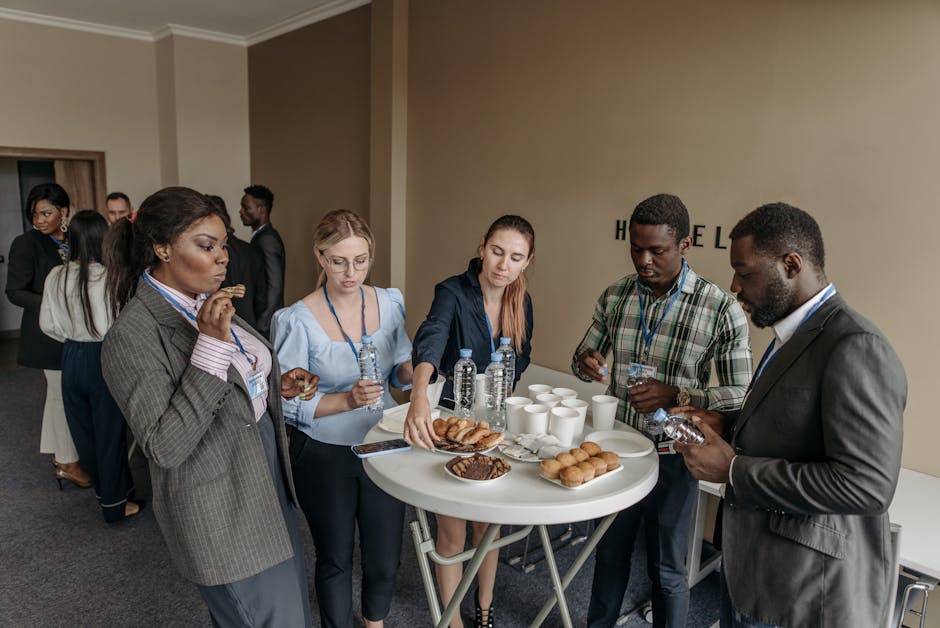
The best advice I ever got regarding conference ROI: have an exit strategy. Know exactly what success looks like before you land. If you reach your target meetings by day two, use day three to talk to people outside of your vertical. Sometimes the best partnerships come from the most unlikely corners of the industry. Just don’t be the person standing by the catering table waiting for a lead to fall into your lap. That isn't strategy—it's waiting for lunch.
Choose your 2026 events wisely. The industry is tired of fluff; be the person who brings the data.