If you have spent any time on social media or in online communities lately, you know that the wellness market has exploded. It is no longer limited to a simple multivitamin or a gym membership. Today, the "wellness stack" might include adaptogenic mushrooms, personalized nootropics, wearable biometric trackers, and intermittent fasting protocols.
As a health writer who has spent nearly a decade covering the intersection of lifestyle and medicine, I’ve watched this shift with both fascination and concern. We are living in an era of unprecedented information overload. Every scroll on an app brings a new recommendation for a product that promises to "recalibrate" your system or "unlock" your peak performance. But when you move from the digital echo chamber to the examination room, the conversation often hits a wall. How do you bring these products up without feeling dismissed—or, worse, without having a meaningful conversation about your safety?
The key to a productive doctor conversation isn't about proving you’re "doing the work." It’s about building a bridge between your personal health goals and the clinical data that keeps you safe. Here is how to navigate that dialogue.
The Wellness Market: Beyond the Pill
The wellness industry has expanded far beyond shelves of vitamins. We are now dealing with a complex ecosystem of ingestibles, tech-enabled wearables, and experimental powders. This complexity means that your clinician is often playing catch-up. They are trained in pharmacology and physiology, but they may not be familiar with the latest "must-have" botanical extract trending on TikTok.
When you prepare for your visit, it’s vital to acknowledge that many of these products exist in a regulatory gray area. Unlike pharmaceuticals, which undergo rigorous clinical trials before hitting the market, many supplements and wellness products are categorized as "food" or "dietary supplements" under current legislation. This means they are often scrutinized *after* they are already in your cupboard, not before.
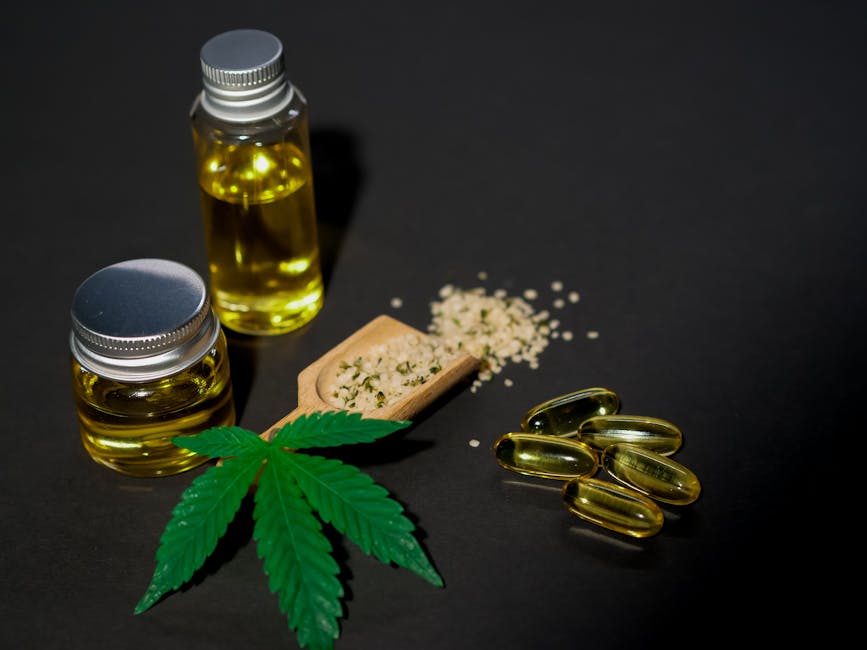
Why "Influencer Certainty" Is Your Biggest Obstacle
In online communities, you will often find people speaking with absolute certainty about their health outcomes. Phrases like "This completely cleared my brain fog" or "I feel optimized" are commonplace. As a writer, I keep a running list of terms I refuse to use because they lack medical substance: cleanse, detox, vibrate, recharge, and miracle.
When you speak to your clinician, drop this vocabulary. It triggers a red flag for medical professionals who are trained to look for pathology and mechanism of action. Instead of saying, "I want to take this to detox my liver," try saying, "I am considering this supplement to support my current nutrition goals; could we review the active ingredients to ensure they won’t interfere with my existing prescriptions?"
The "Label Test": Ingredient Literacy and Sourcing
One of my favorite exercises to suggest to readers is the "Label Literacy Test." Before you buy a product, look at the back. If the label reads like a vague marketing brochure—full of proprietary blends and "proprietary energy complexes"—proceed with extreme caution.
When preparing for your doctor conversation, bring the actual bottles or a printed list of every ingredient, including the dosage of each. If a company won't disclose how many milligrams of each ingredient are in a "proprietary blend," that is a transparency red flag.
Questions to ask about sourcing and testing:
- Does the manufacturer provide a Certificate of Analysis (CoA) from a third-party lab? Is the product tested for heavy metals and pesticides? What is the biological mechanism—what is this *actually* doing in my body?
Table: Marketing Claims vs. Clinical Reality
It is helpful to keep a mental framework of how marketing creates "hype" versus how a clinician evaluates necessity. Use this table as a template for your own research before your appointment.
Marketing Phrase The Reality Clinician’s Likely Concern "Nature's Energy Booster" Usually contains high caffeine/stimulants. Blood pressure, heart rate, sleep quality. "Optimizes your metabolism" Vague; lacks specific clinical targets. Potential hormonal interference or caloric disruption. "Proprietary Brain-Focus Blend" Unknown dosages of multiple herbs. Drug-herb interactions, lack of safety data. "Supports systemic wellness" Broad, unprovable claim. Is there a specific deficiency being addressed?How to Conduct a Supplement Disclosure
The supplement disclosure part of your visit should be the most straightforward part of the appointment, yet many patients skip it because they feel embarrassed or believe it’s "just natural."
Here is a script for how to bring this up effectively:
"Doctor, I’ve been researching a few products for my [energy/digestion/sleep]. I want to prioritize my safety and make sure I’m not adding anything that conflicts with my [current medication/blood work]. Could we take five minutes to go over this list of ingredients?"
By framing it as "prioritizing safety" rather than "asking permission," you position yourself as a proactive partner in your care. If a clinician doesn't know about a specific botanical, ask them if they have access to a drug-interaction database. Most clinicians have access to software like Lexicomp or similar tools that can flag interactions between supplements and pharmaceuticals.
Essential Safety Questions for Your Clinician
Don't leave the office without getting clarity on these three critical safety questions:
"Is there any clinical evidence supporting the dosage in this product?" (Many supplements contain "fairy dust" amounts—just enough to put on the label, but not enough to cause a biological effect.) "Could this interact with my current blood markers?" (For example, high doses of biotin can interfere with thyroid lab results, and certain herbal supplements can thin the blood.) "If I start this, how will I know if it’s working—or if it’s causing harm?" (You need a clear plan for tracking your side effects. If you don't feel better in X weeks, or if you feel worse, you should have a clear "stop" signal.)
Transparency is Not Optional
In the world of online wellness, companies thrive on the "trust me, bro" model. They tell you to trust the influencer, trust the brand story, and trust the anecdotal reviews. In the clinic, the standard is different. The standard is data, rigorous testing, and transparency.
If a product is being sold to you, look for evidence of third-party testing (organizations like USP, NSF, or Informed Choice). If a company cannot provide a clean report of what is in their product, they are asking you to gamble with your health. Your clinician’s job is to minimize that gamble.
Final Thoughts: You Are the CEO of Your Health
The goal of wellness is to THC oil vs CBD oil feel better, not to complicate your life with pills and powders you don't understand. Information overload is a symptom of a market that wants you to be confused—a confused consumer is a loyal consumer of trends.
By treating your wellness routine with the same level of scrutiny you would apply to a prescription drug, you are doing more than just "checking with your doctor." You are demonstrating high-level health literacy. You are demanding accountability from the brands you buy and transparency from the systems that support your life. Next time you head in for a checkup, bring the list, ask the hard questions, and don’t settle for vague answers—from the marketing or from the medicine cabinet.
Disclaimer: This article is for informational purposes only and does not constitute medical advice. Always speak with your primary healthcare provider before starting any new supplement, fitness, or wellness protocol.
