If you have scrolled through Instagram or TikTok lately, you have undoubtedly been served an advertisement for "cortisol-curbing" gummies, "anxiety-busting" powders, or "bio-hacking" elixirs designed to turn your nervous system into a zen-like monolith. The wellness market has expanded rapidly, moving well beyond traditional vitamins and gym-bag protein powders into the territory of mood regulation and mental health management.

As a health writer who has spent nearly a decade wading through clinical journals and manufacturer white papers, I see a dangerous trend: the distance between a "miracle claim" made by an influencer and the reality of a supplement label is growing wider every day. If you are looking to manage stress, the first step isn't finding a supplement; it’s learning how to spot the red flags that separate science-backed support from expensive, unregulated guesswork.
The Wellness Industrial Complex: Why Everything Feels Like a Miracle
The wellness industry has mastered the art of the "vague claim." By positioning stress management products as "lifestyle optimization" rather than medicine, companies often bypass the scrutiny that traditional pharmaceuticals face. When I look at a product, I always ask: "What would this look like on a label, and what would a doctor say about it in a clinic visit?"
In a clinic, your doctor is looking for mechanism of action, contraindications, and standardized dosages. On social media, you are looking for aesthetic packaging and anecdotal testimonials. The conflict between these two worlds is where consumer safety goes to die.
Before you purchase, keep a personal list of "vague marketing phrases" to avoid. My running list includes:
- "Bio-hacking" (Usually refers to nothing specific). "Proprietary blend" (A classic way to hide the fact that the active ingredients are underdosed). "Ancient wisdom" (Used as a distraction from a lack of current clinical trials). "Restorative" (Scientifically meaningless). "All-natural remedy" (Reminder: arsenic is also natural; it doesn't mean it’s safe).
Ingredient Literacy: Spotting Red Flags
To practice safe supplement use, you need to become an amateur detective. When you pick up a bottle, do not read the marketing copy on the front. Flip it over to the "Supplement Facts" panel. If you cannot identify the source of an extract or if the dosage is hidden behind a "proprietary blend," put it back wellness marketing claims on the shelf.
One of the biggest ingredient red flags is the "fairy dusting" approach. This is when a company includes 20 different herbs in a single capsule, all in microscopic amounts. A effective dose of Ashwagandha, for example, is well-established in research (typically 300–600mg). If a capsule contains 20 "calming" ingredients, it is mathematically impossible for every one of those ingredients to be present in a therapeutic, evidence-based dose.
The Transparency Checklist
If a brand is serious about your health, they will not shy away from transparency. Before you click "purchase," verify the following:
Third-Party Testing: Look for seals from USP, NSF, or Informed Choice. These organizations verify that what is on the label is actually inside the bottle and—crucially—that it isn't contaminated with heavy metals or banned substances. Certificates of Analysis (COA): A reputable brand should be able to provide a COA for the specific batch you are buying upon request. If they can’t, they likely don’t have one. Standardization: Look for the word "standardized" on the label. This tells you that the active component of the herb has been measured consistently, rather than just using a generic ground-up plant powder.Comparison: Sketchy vs. High-Quality
It can be hard to tell the difference at a glance. Use this table to differentiate between a marketing-heavy product and one with actual clinical intent.
Feature The "Sketchy" Product The Reliable Product Label Transparency "Proprietary blend" of 15 ingredients Individual dosage listed for every ingredient Marketing Focus Focuses on "miracle" results Focuses on research-backed support Testing "Tested in-house" (no verification) Third-party certified (NSF/USP) Safety Warnings None, or "consult your doctor" in tiny print Clear contraindications and safety data Standardization Whole plant powder of unknown potency Standardized to specific active compoundsThe Social Media Echo Chamber: Why "Influencer Certainty" is a Trap
I am deeply annoyed by the rise of influencer-style certainty. When a content creator claims read more that a specific supplement "cured" their anxiety, they are sharing a subjective experience, not a clinical outcome.
In a clinical setting, we account for the placebo effect, your unique biological baseline, and potential interactions with other medications you are taking. An influencer, conversely, is often incentivized by affiliate commissions to push a product. If a claim sounds too good to be true, or if the influencer promises that the product works for *everyone*, you are being sold a story, not a solution. Always prioritize peer-reviewed meta-analyses over viral videos.
How to Approach Your Doctor
The final step in avoiding sketchy products is acknowledging that "natural" does not mean "inert." Many supplements for stress management—like St. John’s Wort or high-dose Kava—have significant interactions with antidepressants, blood thinners, and hormonal birth control.
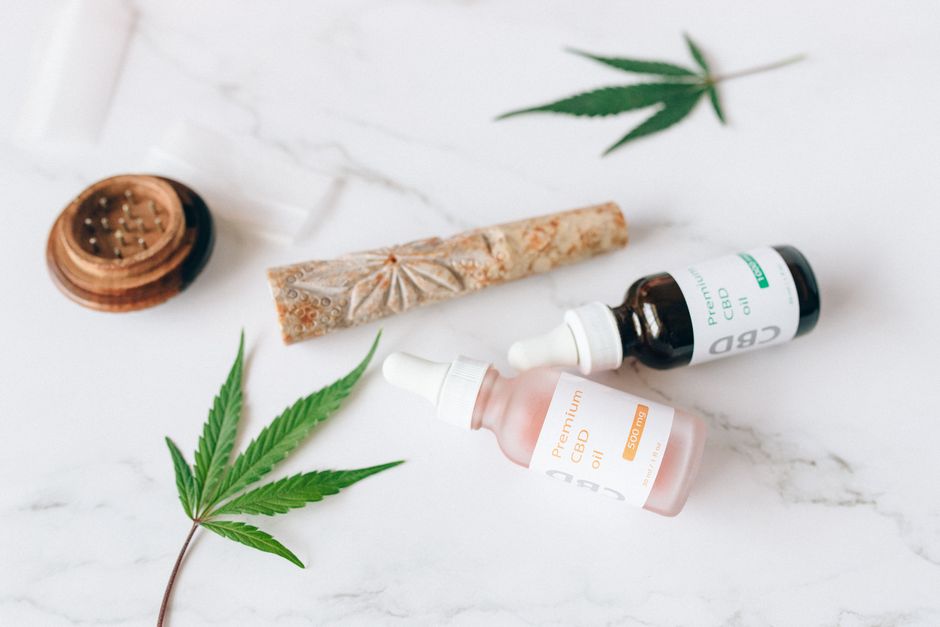
When you go for your next clinic visit, don't be vague. Don't just say, "I'm taking some stuff for stress." Bring the physical bottle or a digital photo of the label. Ask your doctor specifically: "Does this ingredient interact with my current medications, and is there any documented risk of toxicity at this dosage?"
If your healthcare provider seems dismissive, don't assume the supplement is safe. Seek a second opinion from a registered dietitian or a pharmacist. Pharmacists, in particular, are often the most underutilized resource for assessing supplement safety and interactions.
Final Thoughts: Empowerment Through Skepticism
Stress management is not a one-pill-fixes-all scenario. Supplements can be useful tools for bridging gaps, but they are not a replacement for sleep, nutrition, and psychological support. The wellness market is designed to capitalize on our desire for a quick fix, but the best approach to stress management products is one fueled by healthy skepticism.
By demanding transparency, ignoring the "miracle" language of influencers, and treating supplements with the same analytical eye you’d apply to a prescription, you stop being a target for marketing departments and start being a consumer of actual, evidence-based support. When in doubt, leave it on the shelf. Your nervous system—and your wallet—will thank you.