If you have spent any time scrolling through social media or health forums lately, you have likely seen claims about medical cannabis being a "magic bullet" for sleep. It is easy to see why. When you are exhausted, desperate, and have exhausted the standard NHS pathways, the idea of a botanical remedy that promises a quick fix is incredibly tempting.

That said, as someone who spent nearly a decade writing for NHS-affiliated sites, I have learned that the reality is far more nuanced. In the UK, medical cannabis is not a first-line treatment for sleep. It is a highly regulated, specialist-led option that is only considered when other, more established methods have failed.
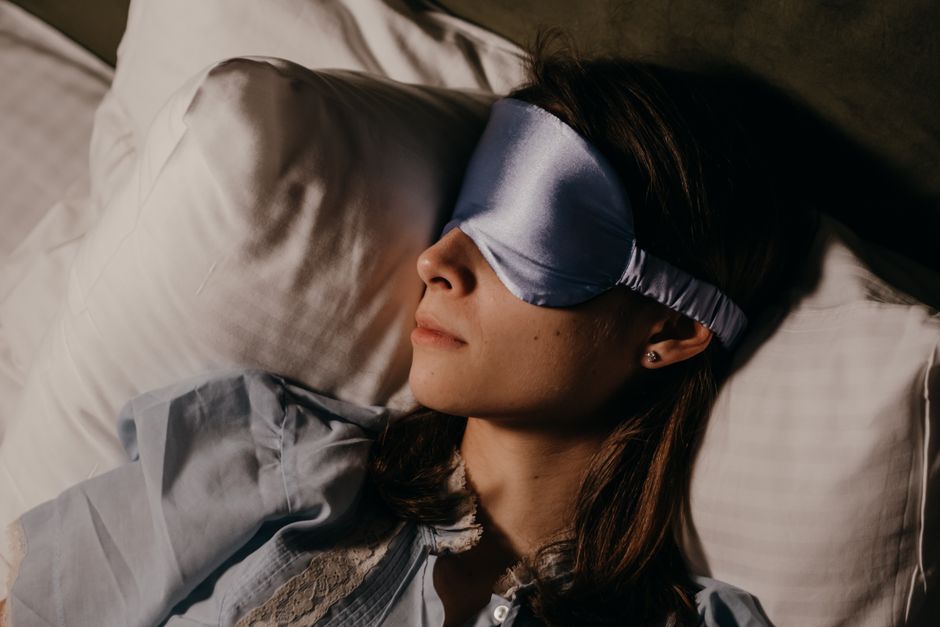
So, let us break down the myths and look at the actual clinical process behind managing sleep disorders in the UK.
The "Quick Fix" Myth
The most dangerous misunderstanding is the belief that medical cannabis is a "quick fix" for sleep. In clinical terms, "quick fix" is a phrase that should set off alarm bells. Sleep is a complex biological process—it involves your circadian rhythm, hormonal regulation, and neurological health. A treatment that claims to work instantly for everyone ignores the fact that your sleep architecture is unique to you.
Medical cannabis is not a sedative in the same way that a sleeping pill might be. It does not simply "turn off" your brain. Instead, it interacts with the endocannabinoid system, which can influence how your body handles pain, anxiety, and inflammation—all of which are common barriers to restful sleep. When a patient uses medical cannabis, the goal is often to address the underlying symptom (like chronic pain or anxiety) that is preventing sleep, rather than forcing the body into a state of unconsciousness.
Sleep Disorders Are Broader Than Insomnia
Another major misunderstanding is the assumption that "sleep issues" equal "insomnia." While insomnia—the inability to fall or stay asleep—is the most common complaint, it is often just a symptom of a much larger clinical picture.
Sleep medicine in the UK categorizes issues into several distinct buckets:
- Circadian Rhythm Disorders: Where your internal clock is out of sync with your environment. Parasomnias: Behaviors that happen during sleep, such as sleepwalking or night terrors. Sleep-Disordered Breathing: Conditions like Obstructive Sleep Apnoea (OSA), which require mechanical support rather than pharmaceutical intervention. Restless Legs Syndrome (RLS): A neurological condition that creates an irresistible urge to move the legs, often peaking at night.
When you approach a medical professional, they aren't looking at your sleep in a vacuum. They are looking at the *cause*. If you treat a symptom without knowing the cause, you aren't really treating the problem. That is why assessment is non-negotiable.
The Standard UK Pathway: A Step-by-Step Approach
Before any consideration for medical cannabis, the UK healthcare system follows a very specific pathway. This is designed to ensure safety and to exhaust non-invasive, evidence-based interventions first.
So, what does this look like in practice? Here is the standard progression:
Primary Care Assessment: You consult your GP. They will look for underlying health issues (like thyroid problems or blood pressure) and review your medications. Sleep Hygiene Techniques: You are guided to audit your environment—temperature, light exposure, and screen time—and your habits, like caffeine intake and bedtimes. Cognitive Behavioural Therapy for Insomnia (CBT-I): This is the gold-standard treatment for chronic insomnia. It involves identifying and replacing thoughts and behaviors that cause or worsen sleep problems. Short-term Medication: If CBT-I is insufficient, a GP might trial short-term, licensed pharmaceutical interventions to reset your sleep cycle. Specialist Referral: If these steps fail, you may be referred to a sleep clinic or a secondary care specialist.That said, it is only after these stages—where you have demonstrated that conventional treatments have not worked—that you might look beyond the standard, regulated options.
Summary of the Standard Pathway
Stage Focus Goal 1 Basic Assessment Identify physiological causes 2 Sleep Hygiene Environmental optimization 3 CBT-I Address psychological patterns 4 Licensed Medications Short-term, supervised support 5 Specialist Assessment Review for unlicensed/niche treatmentsSelf-Selection vs. Clinical Assessment
This brings us to one of the most dangerous misunderstandings: the idea that you can "self-select" your own medical cannabis strain or dosage. In the UK, medical cannabis is prescribed by specialist doctors who hold a license to do so. This is not the same as buying CBD oil from a high-street shop, nor is it the same as sourcing cannabis illicitly.
When you use an illicit product, you have no way of verifying the cannabinoid profile, the level of THC, or the presence of contaminants like pesticides or heavy metals. Furthermore, cannabis affects everyone differently. What helps one person might cause anxiety or restlessness in another because of their unique biochemistry.
Regulated access means that a doctor oversees your progress. They adjust your dosage, track your side effects, and ensure that your sleep outcomes are improving without compromising your cognitive function or daytime energy levels.
The Daytime Impact of Poor Sleep
It is worth noting why we care so much about this. Poor sleep is not just about feeling grumpy or tired. The daytime impact of chronic sleep deprivation is significant:
- Cognitive Impairment: Difficulty focusing, memory gaps, and decreased problem-solving abilities. Emotional Regulation: Increased irritability and a lower threshold for stress. Physical Health Risks: Long-term sleep issues are linked to cardiovascular disease, obesity, and a weakened immune system.
When we look for medical solutions, we are trying to mitigate these risks. If a treatment, even a regulated one, leaves you groggy or unable to function during the day, it is failing the goal of improved health. That is exactly why the "quick fix" mentality is so flawed—it ignores the goal of functional recovery.
When People Start Looking Beyond Conventional Options
There comes a point in many patients' journeys where they feel like they have hit a wall. Maybe they have completed a full course of CBT-I, tried all the sleep hygiene hacks in the book, and the prescription sleep aids have caused intolerable side effects.
This is where the conversation around medical cannabis enters the frame—but it must remain a conversation with a qualified professional. In the UK, this usually involves a consultation with a specialist who understands the interplay between your specific diagnosis and the endocannabinoid system.
So, if you are at this point, do not just look for the first website promising a sleep cure. Instead, look for a clinic registered with the Care Quality Commission (CQC) that employs doctors who are on the Specialist Register. Transparency is your greatest tool for safety.
Final Thoughts
Managing sleep https://highstylife.com/what-does-patient-reported-experience-mean-and-how-much-should-i-trust-it/ is a marathon, not a sprint. The temptation to find a shortcut is a natural human reaction to suffering, but when it comes to your health, shortcuts are rarely safe. The UK framework for medical cannabis is designed to protect you, ensuring that you don't skip the foundational work of sleep hygiene and CBT-I, which remain the most reliable ways to restore long-term sleep health.
If you are struggling, please start by having an honest, documented conversation with your GP. Don't be afraid to ask about your referral options, and don't feel discouraged if you have to go through the standard steps first. Those trouble falling asleep UK steps exist for a reason—to get you back to health, safely and sustainably.
Disclaimer: I am a health writer, not a doctor. This content is for educational purposes only and does not constitute medical advice. Please consult with a healthcare professional regarding any medical concerns or before making changes to your current treatment plan.