If you have interacted with the UK healthcare system over the last few years, you’ve likely noticed a shift. The days of fax machines and snail-mail referrals are rapidly fading, replaced by portals, apps, and digital interfaces. As of 2026, the term "secure messaging" has become a staple of every telehealth platform—from private dermatology clinics to specialized medical cannabis services.
But when a clinic tells you their platform is "secure," what does that actually mean? For a patient managing a long-term condition, it shouldn't just be another buzzword to tick off on a sign-up form. It defines how your most private clinical data travels and where it lives.
The anatomy of 'secure clinic chat'
At its core, secure clinic chat is fundamentally different from a standard email or a consumer messaging app like WhatsApp. When a clinic employs a legitimate patient portal, they aren't just creating a login screen; they are implementing a system designed specifically to satisfy strict UK GDPR requirements and NHS-aligned standards for data handling.
Here is what technically differentiates a secure portal from a standard communication method:
- Encryption in Transit: Your messages are protected by Transport Layer Security (TLS) while they move from your device to the clinic’s server. This prevents "man-in-the-middle" attacks. Encryption at Rest: Once your message hits the server, it is encrypted. Even if someone gained unauthorized access to the database, they would see scrambled code rather than your medical history. Access Control: Secure platforms use Multi-Factor Authentication (MFA). If you lose your phone, your health data remains behind a secondary verification gate. Data Residency: Under the UK GDPR, clinics must ensure your data is stored in appropriate jurisdictions—typically within the UK or the EEA, unless strict adequacy agreements are in place.
The 2026 patient journey: Why security matters
In the current landscape, the patient journey—particularly for those seeking specialist care like medical cannabis—is heavily front-loaded with digital screening. As a patient, you might start with an eligibility research phase, followed by a detailed screening questionnaire.
Because you are sharing sensitive information about your health history, medication usage, and mental well-being, the security of the communication channel is paramount. A secure patient portal messaging system allows you to upload documents (like summary care records) without them medical cannabis process 2026 drifting through unencrypted email chains.
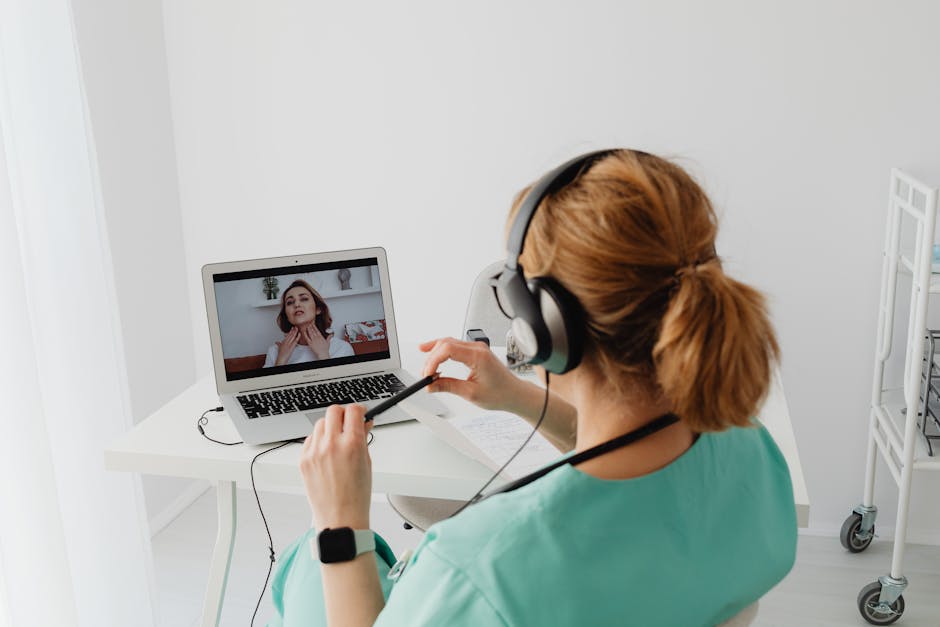
In 2026, we see this as "the friction of trust." Yes, having to log in to a portal is technically more "friction" than sending a quick email. However, that friction is the price of privacy. It ensures that the person answering your query is a member of the clinical team with authorized access to your chart, not a bot or an unauthorized third party.
Addressing the medical cannabis context
There is a lot of noise online regarding medical cannabis in the UK. Let me be clear: this is a regulated medical treatment. Clinics providing these services operate under strict oversight, including adherence to NICE NG144 guidelines. These guidelines dictate that clinicians must ensure safe, evidence-based prescribing and robust monitoring of outcomes.
When you use a secure clinic portal, you aren't just "chatting"; you are building a clinical audit trail. If you are reporting a side effect or requesting a repeat prescription, this communication must be logged in your electronic patient record to ensure the clinic is fulfilling its duty of care as defined by the CQC (Care Quality Commission).
Comparing communication channels
Many patients ask: "Why can't I just email my doctor?" The following table breaks down the risks and realities of different communication methods.
Method Security Level Clinical Audit Trail Best Used For Standard Email Low (Vulnerable to interception) Poor (Often lost in threads) Non-clinical queries (e.g., billing) WhatsApp / DM Low (Often not GDPR compliant) None (Not integrated) Avoid for health communication Encrypted Health Communication (Portal) High (End-to-end audit) Excellent (Linked to your EHR) Clinical updates, prescriptionsFriction points to watch for
As a healthtech content lead, I often see "secure" systems that are designed for developers, not patients. When you are looking for a clinic, be wary of these friction points:
The "Infinite Loop" Form: You should never have to fill out your full medical history more than once. If a clinic asks for the same info in the chat that you already provided in the screening questionnaire, their systems aren't talking to each other. Lack of Clarity on Turnaround: Secure messaging is not instant messaging. If a portal doesn't specify when you can expect a reply, it creates anxiety. Look for clinics that set clear expectations (e.g., "Responses within 48 hours"). Notification Overload: A secure portal should send you an email *notification* that there is a message, but the actual sensitive content should remain within the portal. If the notification email contains your clinical details, it’s not truly secure.Final thoughts on digital health
If a clinic is serious about your care, they will treat their digital communication as an extension of their consulting room. They won't promise "miracles" or bypass the regulatory checks required by NICE NG144. Instead, they will provide a platform that keeps your data where it belongs: between you and your clinician.

When you choose a healthcare provider, look for the ones that treat encrypted health communication as a fundamental right of the patient, rather than an afterthought. Your health data is your most personal asset—don't accept anything less than a platform that understands that.