If you have spent any time reading the newsletters or policy documents of the last year, you’ve likely encountered the phrase "system in transition." It’s the kind of sterile, high-level vocabulary that sounds perfectly logical in a boardroom but feels completely detached from the reality of your Tuesday afternoon waiting room experience.
As someone who spent eleven years working as an NHS service improvement analyst, I have a confession: I used to write these documents. I know exactly how we use words to smooth over the cracks in the pavement. But as a patient advocate and health writer, my job is to scrub that polish away. When we talk about changing healthcare, we aren't just talking about digital upgrades or re-branded initiatives. We are talking about the friction between how the system *should* work and how it actually survives the day-to-day pressure of demand.
Before we go further, I keep a patient reported outcomes running list of phrases I refuse to use because they hide more than they explain. If you see these in a brochure, reach for your red pen:
- "Seamless patient journey" (Nothing in a public system is seamless.) "Holistic transformation" (Usually means "we are changing things, and we aren't sure how it will land.") "Streamlined care delivery" (A nice way of saying "we are trying to do more with less.") "Empowerment-led outcomes" (This puts the burden of the system's failures onto the patient.)
The Tuesday Afternoon Reality: Defining the "Transition"
What does this look like on a Tuesday afternoon for an actual patient? It looks like a phone line that doesn't connect, or an appointment that lasts six minutes when you need twenty. It looks like you sitting there, wondering if the "new pathway" the doctor mentioned is actually going to get you seen, or if it’s just another digital hoop to jump through.
acupuncture for pain management guideWe are seeing a profound shift in how we manage health. For decades, the system operated on a "standardized model." Everyone with a specific set of symptoms got the same set of tests and the same standard referral. It was efficient for the system, even if it felt robotic for the patient. Now, we are moving toward an individualized approach. This sounds noble, but it creates significant access challenges. When care becomes bespoke, the time required to manage each case increases, which causes bottlenecks in a system that is already running at capacity.
If you’ve ever tried to sign into an old-fashioned patient portal, you know the frustration. The interface often mimics a clunky wp-login.php screen from 2005—hard to navigate, prone to error, and leaving you staring at the screen wondering if you’ve actually logged your request or if it’s vanished into the ether. You hit submit, and instead of a confirmation, you feel like you've just clicked 'Cancel reply' on a conversation you desperately needed to have.
Moving Toward Individualized Care
The core of this transition is the move away from the "one-size-fits-all" model. This is particularly vital for those living with chronic conditions. For years, patients with long-term issues were shuffled through rigid, episodic appointments. You saw a clinician, you discussed the immediate problem, and you were sent back out into the world until the next crisis.
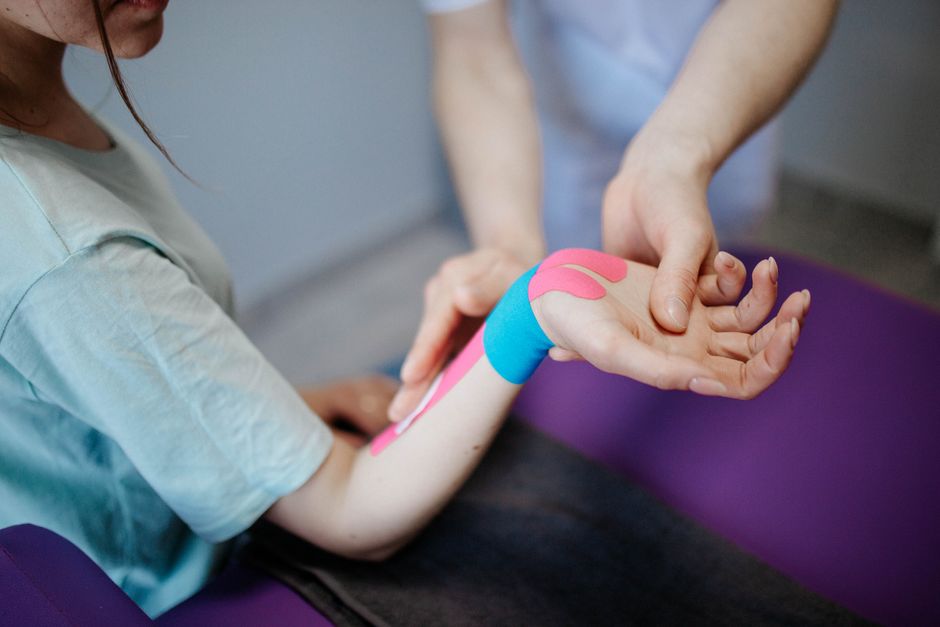
New pathways are attempting to replace this with a more flexible structure. Instead of a single, rigid protocol, clinicians are being encouraged to look at your personal context—how your work, your support network, and your daily environment influence your health. According to the World Health Organization, health is a state of complete physical, mental and social well-being, not just the absence of disease. This "transition" is theoretically an attempt to get closer to that definition.
However, the transition is messy. We aren't just changing medicine; we are changing the plumbing of how care is delivered. Here is how that looks in practice:

Integrative Medicine: Not a Miracle, Just More Tools
A huge part of the "system in transition" is the conversation around integrative medicine. I have to be firm here: I loathe miracle-cure language. If you see a headline promising a "total cure" for a chronic condition, close the tab. That is marketing, not medicine.
Integrative medicine, when handled responsibly, is about expanding the toolbox, not throwing away the hammer. It means integrating nutrition, mental health support, physiotherapy, and community-based social prescribing alongside traditional medical interventions. It is not a replacement for evidence-based clinical care; it is an additional pathway to manage the *experience* of being ill.
For a patient, this means your GP might not just give you a prescription; they might provide a referral to a local community group or a social worker. The challenge? The coordination. If the system doesn't have a robust way to communicate between these different "pathways," you end up doing the coordination work yourself. You become the project manager of your own care, which is the last thing you want to do when you are already struggling with your health.
Addressing the Access Challenges
We cannot discuss these changes without acknowledging the elephant in the room: access challenges. Every time the system adds a "new pathway," it adds complexity. If you have to navigate five different web forms to get a specialist referral, the system isn't "individualized"—it's gated.
I see many patients who feel "transition" is just a polite word for "you're on your own now." But it doesn't have to be. True integration requires the system to be accountable for the "handoffs" between services. If you are referred to an alternative therapy pathway, the clinical team should still be monitoring your primary condition. This is where responsible coordination comes in. If the clinicians aren't talking to each other, the "individualized" care plan collapses.
Practical Tips for Navigating the Transition
Since I spent years watching how people fall through the cracks, I have a few suggestions for when you are interacting with these "new pathways."
Ask for the "What Happens Next" plan: When you leave a consultation, ask the clinician to write down the specific step of the pathway you are currently on. Not "we’ll be in touch," but "you should hear from X department by this date." Verify the coordination: If you are being referred to an alternative or integrative service, ask the clinician: "How does this team communicate with you about my progress?" If they don't have a clear answer, ask for a summary note to be sent to your primary record. Keep your own record: Yes, it is unfair that you have to do this, but keeping a simple log of dates, names of clinicians, and the "pathway" steps will save you hours of time when you inevitably reach a point where the system loses track of your file. Question the "New": If a clinician mentions a "new way of doing things," don't feel bad about asking, "What are the limitations of this new way?" You are allowed to ask what the trade-offs are.Final Thoughts: Why We Must Demand Better
When I talk to clinicians, many are as frustrated as the patients. They feel the pressure to adopt "new pathways" that were designed by people who haven't sat in a clinic since the mid-90s. The "system in transition" is essentially a ship trying to turn while it’s still at sea. It’s slow, it’s noisy, and it’s prone to hitting icebergs.
We must move away from the idea that "transition" is something that happens *to* us. We have to treat it as something we participate in. Keep asking, "What does this look like on a Tuesday afternoon?" If the answer is "confusion," "delay," or "inaccessibility," then that pathway is failing. We don't need glossy pamphlets about transformation; we need functioning systems that respect the fact that when you are a patient, your time, your energy, and your health are the most valuable currencies you have.
Stay critical, stay informed, and never apologize for asking how the system intends to actually deliver on its promises. After all, if the system doesn't work for the person on a Tuesday afternoon, it simply isn't working.
Comments are currently closed. If you have questions about navigating specific service pathways, please reach out via the contact form on the site rather than trying to find a hidden reply link.