For many patients in the UK, the term "medical cannabis" remains shrouded in confusion. Over the past nine years of interviewing consultants and telehealth experts, I have seen firsthand how misinformation—often stemming from a failure to distinguish between illicit recreational use and clinical prescribing—has prevented people from accessing legitimate, life-changing support. If you are exploring this route, it is vital to understand that this is a clinical, evidence-based pathway, not an over-the-counter alternative to your local chemist.
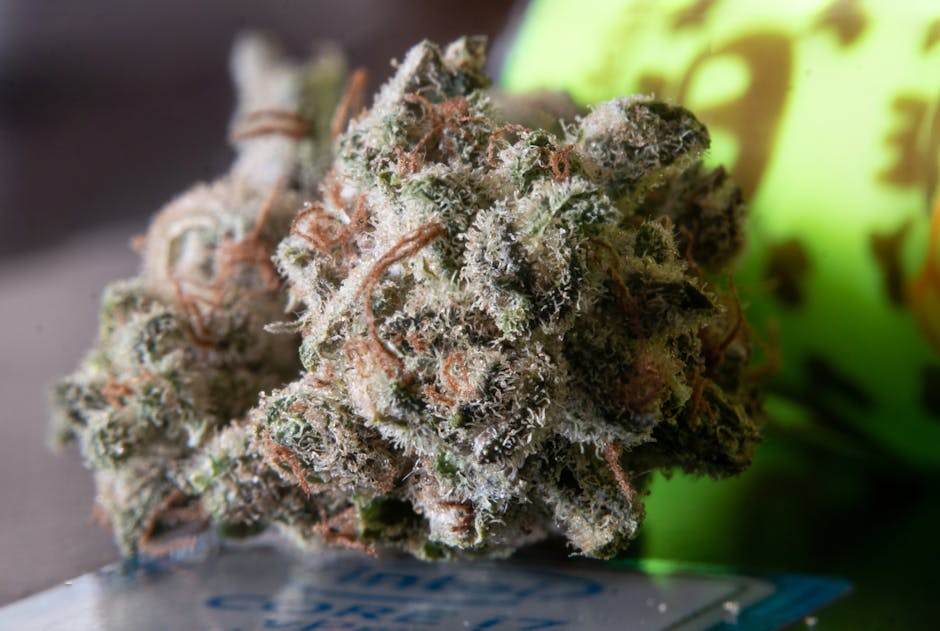
Medical cannabis, in this context, refers to cannabis-based products for medicinal use (CBPMs) that are prescribed by a specialist doctor to treat specific, diagnosed conditions where other conventional treatments have been tried but found ineffective. Unlike recreational cannabis—which refers to the use of cannabis for non-clinical purposes, often containing unregulated concentrations of cannabinoids—medical cannabis is strictly controlled, tested for purity, and prescribed through a formal, regulated process.
What this means for you: You are entering a structured medical environment overseen by the Care Quality Commission (CQC) in England, or equivalent regulatory bodies in the devolved nations, ensuring your safety and the quality of your medication.
Understanding the Legal Landscape
In November 2018, the UK government moved cannabis-based products for medicinal use into Schedule 2 of the Misuse of Drugs Regulations 2001. This legislative change allowed specialist doctors listed on the General Medical Council (GMC) Specialist Register to prescribe cannabis when they deem it appropriate for a patient’s condition.
It is important to note that the NHS (National Health Service) provides very limited access to medical cannabis, primarily for rare conditions like severe treatment-resistant epilepsy or multiple sclerosis-related spasticity. For the vast majority of patients seeking relief from chronic pain, anxiety, or insomnia, the pathway is accessed through private, specialist-led clinics.
The Critical Importance of Eligibility and Prior Treatments
A common mistake I see in patient forums is the assumption that medical cannabis is a "first-line" treatment. It is not. Under current clinical guidelines, specialists are only permitted to prescribe medical cannabis if a patient has already tried at least two conventional, first-line treatments for their specific condition—and those treatments have either failed to provide relief or caused intolerable side effects.
Eligibility refers to the clinical criteria set by the clinic’s multidisciplinary team (MDT) to determine if you are a suitable candidate. This is not a "tick-box" exercise. It requires a detailed review of your medical records and proof of your previous treatment history.

What this means for you: If you have not yet consulted your GP about your condition or attempted conventional treatments, a clinic will likely advise you to do so before they can consider your application. There is no shortcut to this; it is a safety requirement to ensure that cannabis is truly the right clinical choice for your history.
The Regulated Pathway: Step-by-Step
The modern medical cannabis pathway has been transformed by digital innovation. Most reputable clinics now utilize telehealth—the delivery of healthcare services through remote digital platforms—to ensure that care is accessible regardless of where you live in the UK.
1. Initial Eligibility Assessment
You will be asked to upload your medical summary, often provided by your GP. This allows the clinic to verify your diagnosis and previous treatment history. This step is the "gatekeeper" phase; if you do not meet the criteria, the clinic will be upfront about this to prevent you from wasting time or money.
2. The Specialist Consultation
If you pass the initial screening, you will have a consultation with a specialist doctor. This is often conducted via video call using a secure, digital-first patient platform. This platform serves as your hub for booking appointments, secure messaging, and managing your prescriptions. The specialist will discuss your history, explain the potential risks and benefits, and answer your questions directly.
3. Multidisciplinary Team (MDT) Review
After your consultation, your case is reviewed by an MDT. An MDT is a group of healthcare professionals from different clinical backgrounds who meet to discuss a patient’s treatment plan. This ensures that the decision to prescribe is not made in isolation but is supported by peers.
4. Prescription and Monitoring Plan
If the MDT approves the treatment, a prescription is sent to a specialist pharmacy. From there, your medication is delivered directly to your door. The process does not end here; you will be placed on a monitoring plan. A monitoring plan is a structured schedule of follow-up appointments to track your progress, report any side effects, and adjust your dosage (titration) to ensure the medication remains effective.
Summary of the Pathway Process
Step What Occurs Patient Action Screening Validation of medical history Upload summary care records Consultation Clinical assessment by a specialist Prepare questions and symptoms diary Review MDT approval for treatment Await clinical confirmation Monitoring Ongoing follow-up and dose adjustment Attend follow-up consultationsA Note on Costs and Transparency
You may see various prices cited online for medical cannabis consultations. Be wary of any source claiming a fixed, universal price. The cost of treatment varies based on the consultation type, the specific product prescribed, and the frequency of your follow-up appointments. Reputable clinics are transparent about their pricing models on their websites. Never trust an organization that obscures its fee structure or promises guaranteed "cures." Medical cannabis is an evolving field, and results vary significantly from person to person.
What to Expect from Your Digital Platform
Most leading clinics now use sophisticated software to manage your care. This is a significant improvement over the clunky, paper-based processes of the past. Your digital-first platform should allow you to:
- Access your clinical notes and treatment plan. Securely message your care team if you have questions between appointments. Track your prescription status from the pharmacy to your doorstep. Upload symptom-tracking data, which provides your clinician with real-world evidence of how the medication is working.
Why Clinical Oversight Matters
The most important element of your journey is clinical oversight—the continuous supervision by a qualified medical professional. Because cannabis affects every individual differently, having a specialist who monitors your progress ensures that you are using the minimum effective dose to manage your symptoms.
When you hear people talk about "medical cannabis" as if it is a singular remedy, remember that there are many different strains and formulations, each with a different ratio of cannabinoids like THC (tetrahydrocannabinol) and CBD (cannabidiol). Finding the right formulation requires expert guidance. You should expect your clinic to be highly involved in this process, ensuring your treatment is safe, legal, and medically supervised.
Final Thoughts
Accessing medical cannabis in the UK is a formal, regulated medical journey. It requires healthstartsinthekitchen patience, a clear treatment history, and a commitment to ongoing clinical supervision. By focusing on the regulated pathway—from the initial assessment to the structured monitoring plan—you are choosing a path that prioritizes your safety and long-term health outcomes over quick fixes.
Always remember: if a provider seems unwilling to discuss your medical history or insists that you don't need a specialist assessment, you should look elsewhere. True clinical care is built on transparency, safety, and a deep understanding of your unique health needs.