In the world of elite and high-performance sport, the conversation surrounding recovery has shifted from physical repair—ice baths, compression boots, and protein intake—to the intricate mechanics of nervous system regulation. Recently, I have seen an increasing number of athletes and high-performers looking towards medical cannabis as a potential tool for managing burnout and restoring mental wellbeing. However, there is a mountain of misinformation to climb before we reach any evidence-based conclusion.
A vital disclaimer before we begin: Under UK law, recreational cannabis remains entirely illegal. Possession, supply, and production are criminal offences. The discussion here pertains strictly to medical cannabis, which has been legally available in the UK since November 2018 through specialist prescribing, provided it is managed via regulated clinics and following specific clinical pathways.
The Shift in Athlete Recovery: Burnout and the Nervous System
Burnout in athletes is rarely just about fatigue; it is a systemic breakdown of the hypothalamic-pituitary-adrenal (HPA) axis. For years, the industry relied on stimulants to manage performance and sedatives to manage sleep. Today, the conversation has moved toward homeostasis. Athletes are increasingly exploring how the endocannabinoid system (ECS)—which https://highstylife.com/what-is-hhc-and-is-it-legal-in-the-uk-a-deep-dive-for-athletes-and-patients/ plays a significant role in mood regulation, sleep, and stress response—might be leveraged during periods of extreme professional strain.
Want to know something interesting? however, we must stop using buzzwords like "miracle cure." there is no "miracle." there is only clinical management, evidence-based assessment, and the careful titration of cannabinoids to address specific, diagnosed symptoms of burnout, such as persistent insomnia or chronic anxiety that has proven resistant to first-line treatments.
Understanding the Landscape: CBD vs. THC vs. Medical Cannabis
One of the most persistent frustrations in this space is the tendency for blogs and influencers to conflate high-street "wellness" CBD with prescribed medical cannabis. They are not the same.
Feature High-Street CBD Prescribed Medical Cannabis Regulation Food supplement standards CQC-regulated pharmacy standards Composition Often isolate; inconsistent purity Full-spectrum, terpene-rich, lab-verified Prescription None required Specialist consultant only Legal Basis Legal as a food product Legal as a Schedule 2 controlled drugWhen we discuss medical cannabis, we are often talking about specific ratios of THC (tetrahydrocannabinol) and CBD (cannabidiol) tailored to the patient’s clinical history. The confusion occurs when people assume that buying a CBD oil from a chemist is the same as the targeted, pharmacy-dispensed cannabis prescribed by a specialist consultant.
The UK Legal Framework Since 2018
Since the change in the law in November 2018, specialist doctors on the GMC Specialist Register can prescribe cannabis-based products for medicinal use (CBPMs). This is not an open door; it is a restricted pathway. It is intended for patients who have exhausted traditional treatment options (such as SSRIs for anxiety or conventional sleep aids) and have a documented medical history of their condition.
Eligibility is the "gatekeeper." If you are suffering from burnout, a specialist will not simply prescribe cannabis because you feel "stressed." They will look for a diagnosed condition (such as Treatment-Resistant Anxiety or chronic pain) and evaluate your health records to ensure there are no contraindications, such as a history of psychosis or active cardiovascular disease.
The Role of Telehealth and Digital Healthcare Platforms
The rise of digital healthcare platforms has made the process of seeking https://bizzmarkblog.com/what-does-clinically-appropriate-mean-on-nhs-medical-cannabis-pages/ specialist advice more accessible, but it has also increased the speed at which misinformation spreads. These telehealth systems allow patients to upload their "Summary Care Record" (SCR) directly from their GP to a specialist clinic. This digital workflow is crucial for safety.
By digitising the medical history review, clinics can assess eligibility with higher precision. It also allows for continuous monitoring. If you are prescribed medical cannabis, you are not simply sent a prescription and left alone. You are required to have regular, documented follow-up consultations. Any clinic that skips these regular check-ins or fails to engage with your primary GP records is a massive red flag.
The Assessment Process: What Actually Happens?
I am often asked, "How do I actually get assessed?" It is not a quick fix or a "get high" pass. It is a medical appointment, similar to seeing a consultant for any other chronic condition.
GP Referral/Records Access: You provide the clinic with your detailed summary of care. They need to see evidence that you have tried other treatments for your condition without success. Eligibility Screening: A member of the clinical team reviews your file to see if you meet the criteria for a specialist consultation. Consultant Assessment: You speak with a specialist doctor (often a psychiatrist or pain specialist) via video consultation. They discuss your history, risks, and treatment goals. Multi-Disciplinary Team (MDT) Review: The specialist presents your case to an MDT of other doctors who review the prescription to ensure it adheres to safety guidelines. Pharmacy Dispensing: If approved, the medication is sent from a specialist pharmacy to your address.What Happens Next? (A Short Checklist)
If you are an athlete or a professional currently looking into this as part of a mental wellbeing recovery plan, here is your next move:
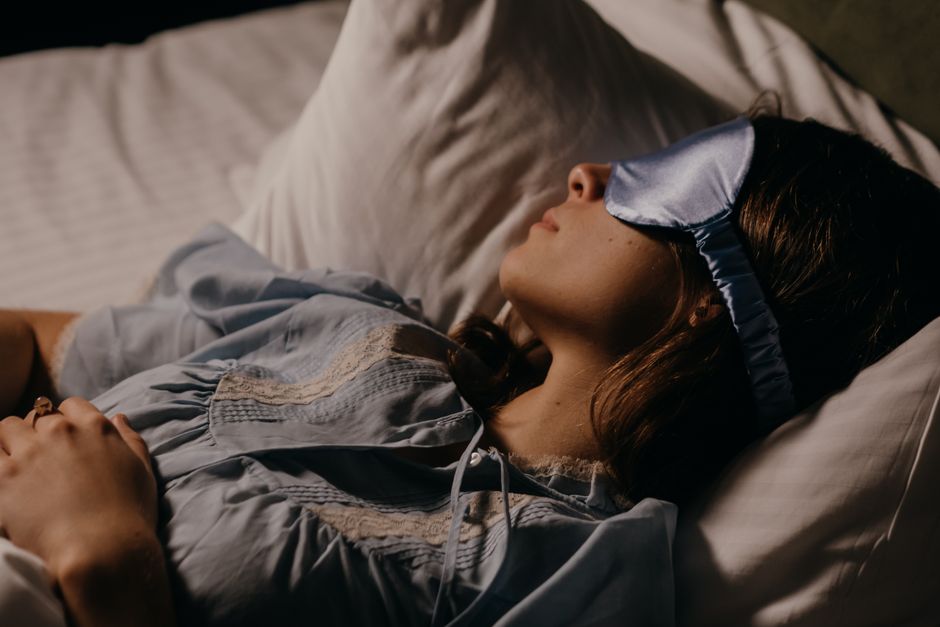
- Consult your NHS GP first: Have an honest conversation about your burnout symptoms. Cannabis should be the final step, not the first. Vet the clinic: Ensure the clinic is registered with the Care Quality Commission (CQC) in England or its equivalents in the devolved nations. Beware of the "Miracle" claims: If a website claims it will fix your burnout overnight, close the tab. Look for clinics that provide data on side effects and realistic expectations. Keep records: Document how you feel. Your specialist will need this data during your follow-up assessments to adjust your treatment plan.
A Final Note on Mental Wellbeing
Linking medical cannabis to burnout and mental wellbeing is a nascent field. While some athletes report better sleep quality and reduced anxiety, we must remain rigorous in our data gathering. The focus should be on "nervous system recovery"—allowing the body to move out of a fight-or-flight state—rather than finding a way to "numb" the pressure of elite performance.

If you are struggling, please speak to a medical professional. Self-medicating with products sourced online is not only dangerous, it is frequently illegal and carries significant health risks. Pretty simple.. Use the established digital pathways, be transparent with your specialist, and prioritize your long-term health over short-term performance gains.