If I had a pound for every time I’ve sat down with a reader who felt like a “failure” because their new wellness plan crumbled by mid-February, I could probably retire to a private island. But here is the secret: you aren’t failing. You’ve just been sold a version of wellness that is fundamentally incompatible with the reality of being a human being living a complex life.

For the last six years, I’ve been waist-deep in the world of midlife wellness, sifting through the noise of influencers and "miracle" supplement brands. I’ve learned one inescapable truth: the harder something is to start, the faster you will abandon it.
Let’s pull back the curtain on why your latest “quick fix” probably hit a wall, and more importantly, how we can pivot toward habits that actually stick.
The "Shiny Object" Trap: Why We Love the Quick Fix
We are culturally conditioned to hunt for the “magic pill.” Whether it’s a 21-day detox, a restrictive juice cleanse, or a high-intensity boot camp that requires you to be at the gym at 5:00 AM, these plans lean into the dopamine hit of a "fresh start." They feel decisive. They feel like change.
But there is a fatal flaw in the quick fix: it relies on high-octane willpower, which is a finite resource. When life gets busy, when the car breaks down, or when you are simply exhausted, that willpower evaporates. And that’s exactly when the plan falls apart.
The "Bad Tuesday" Test: Your New Metric for Success
Whenever someone pitches me a new wellness regimen, I always ask the same question: "Can you do this on a bad Tuesday?"
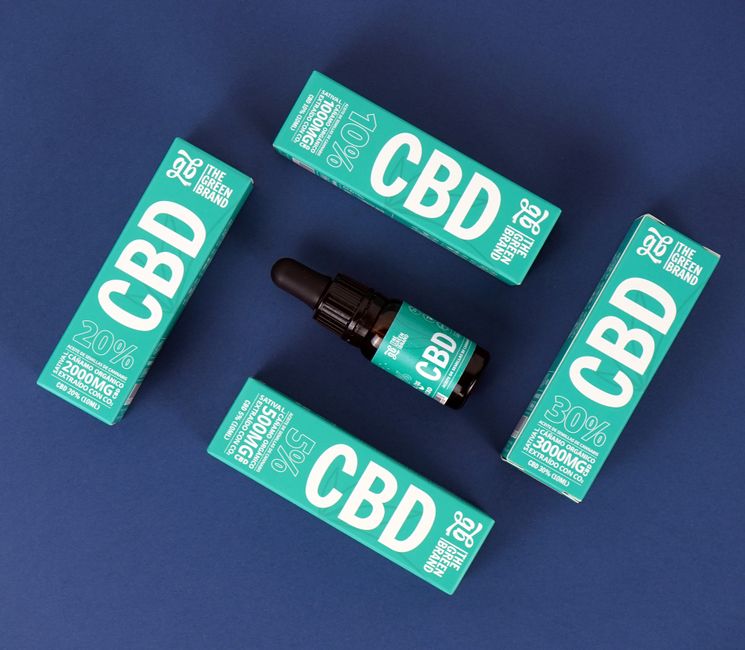
Picture it: You had a terrible night’s sleep. Your boss sent an email that ruined your morning. You have a mountain of chores, the dog is sick, and you’re feeling sluggish. If your wellness plan requires you to meal prep for four hours, consume six different supplements, and hit a 60-minute HIIT workout, you are going to skip it. And that is fine, because that plan was designed for an ideal world that doesn't exist.
Sustainable habits aren't built on your "best days"—they are built on your average, Find more info mediocre, or even slightly-miserable Tuesdays. If it isn’t doable on your worst day, it’s not a habit; it’s a performance.
The Price Tag Fallacy
One of the most annoying trends in the industry is the belief that higher price equals higher efficacy. There is a common mistake I see constantly: people believe that if they spend £200 on a "wellness kit," they are somehow buying a stronger commitment to their health. Spoiler alert: You cannot buy consistency.
In fact, expensive products often backfire. When you invest in a "6-product system," you’ve created a barrier to entry. If you run out of one item, or if the price becomes a stressor on your monthly budget, the entire system collapses. You don't need a drawer full of gadgets to improve your health. The most effective interventions—walking, consistent sleep, hydration, and adding more fiber to your plate—are effectively free or incredibly low-cost.
Three Pillars of Sustainable Wellness
If we strip away the marketing, what actually moves the needle? The experts at nhs.uk provide guidance that is almost frustratingly simple, yet consistently effective. It isn't sexy, but it works.
1. Nutrition: The "Add, Don't Subtract" Approach
Most quick fixes start with a list of things you can never eat again. That creates a scarcity mindset that leads directly to binging. Instead, try adding. Can you add one serving of vegetables to your lunch? Can you add a glass of water before your coffee? When you focus on adding nutrients, the "bad" stuff usually gets crowded out naturally. Check out resources like Fifties Web for community perspectives on keeping things simple as we navigate the changing landscape of midlife.
2. Movement: The Power of Low-Impact Consistency
High-intensity exercise is great if you love it, but for most of us, "low-impact" is the key to longevity. A 20-minute walk after dinner, daily stretching, or gentle movement routines can be done regardless of your energy levels. If you need a moment of recovery or a way to lower the barrier to feeling "active," tools like Releaf are excellent for incorporating grounding practices that don't require a marathon training session.
3. Sleep: The Non-Negotiable Foundation
You cannot "bio-hack" your way out of a sleep deficit. If you are exhausted, your decision-making, hunger regulation, and stress response are all compromised. A sustainable sleep routine isn't about buying a £100 pillow; it's about a consistent wind-down ritual. Keep the screens out of the bedroom, keep the room cool, and stop the late-night scrolling—even if you feel like you’re "missing out" on the conversation on social sharing platforms like Facebook, X, LinkedIn, or Reddit. That notification can wait until morning.
Comparison: The Quick Fix vs. The Tiny Change
Feature The Quick Fix The Sustainable Habit Foundation Willpower/Restricted choice Lifestyle integration Cost High (supplements, gear) Low to zero Flexibility Rigid "all or nothing" Adaptable to "bad Tuesdays" Focus Weight/Appearance/Speed Energy/Mood/ConsistencyMy Running List of "Tiny Changes That Actually Stick"
Over the years, I’ve kept a list of micro-habits that I’ve personally verified. These aren't transformative overnight, but they change the trajectory of your health over six months:
- The 10-Minute Walk: Don't try for an hour. Just ten minutes. If you have time for more, great. If not, you’ve hit your goal. The "Protein First" Rule: Eat the protein on your plate before the refined carbs. It keeps you fuller longer without a restrictive diet plan. The Phone Sunset: Set an alarm on your phone for one hour before bed. Once it goes off, the phone goes in a drawer. Hydration by Default: Keep a water glass on your desk. Don't worry about "eight glasses," just drink it when you see it.
Moving Beyond the Hype
The wellness industry wants you to believe you are broken and that they have the specific product to fix you. They don't. You are not a project to be completed; you are a person to be cared for. The reason your quick fixes stop working is that they aren't designed for your life—they are designed for a brochure.
If you want to make a change, start by lowering the bar. Take the guidance provided by the NHS as your baseline, skip the overpriced "miracle" bundles, and ask yourself that one crucial question: "Can I do this on a bad Tuesday?"
If the answer is yes, you’ve found the one change that will actually stick. Everything else is just noise.