I keep a running note on my phone titled "Things That Actually Helped." It’s a messy list—part grocery list, part life-hacks, and part repository for the things that survived the "Tuesday Test." If you’ve followed my blog for a while, you know the Tuesday Test: when you’re exhausted, the inbox is overflowing, you’ve hit a mid-afternoon slump, and you don’t have time for a two-hour meditation retreat or a 14-step supplement protocol. Does the solution actually fit into the rhythm of a real, messy, human life?
For the last decade, I’ve been covering the UK wellness industry, sitting down with nutritionists, Pilates instructors, and clinical spokespeople. I’ve watched us pivot from the era of "extreme wellness"—where influencers told us we needed to do a 5:00 AM ice bath and a juice cleanse to be healthy—to a much more grounded, sustainable approach. And yet, there’s one topic that has been bubbling under the surface, moving from the periphery into the heart of our lifestyle conversations: medical cannabis.
People often ask me why it’s being described as "quietly" going mainstream. It isn't because of a flashy marketing campaign or a celebrity endorsement. It’s because the conversation is shifting from rebellion to clinical reality. It’s about accessibility, regulation, and a long-overdue move toward personalized medicine.
The Decade-Long Shift: From Stigma to Sustainability
Ten years ago, the wellness conversation was loud, aggressive, and often one-size-fits-all. We were told that if we weren't drinking bone broth at sunrise or hitting a specific intensity in a HIIT class, we were failing. It was exhausting. It created a "wellness burnout" where the pursuit of health became another source of stress.

As we entered the 2020s, the vibe changed. We started valuing "sustainability" over "intensity." We stopped asking for the next big hack and started asking for things that help manage benefits of online therapy UK the realities of modern life: chronic stress, disrupted sleep, and the emotional toll of a high-pressure career. During this time, the stigma surrounding medical cannabis began to crack. People started sharing experiences not because they wanted to make a statement, but because they were tired of side effects from traditional prescriptions or the lack of efficacy in "wellness" tinctures that promised the world and delivered nothing.
The "quiet" nature of this shift is the most important part. It isn't a loud, radical movement. It’s thousands of individual conversations happening in GP offices, over Zoom calls, and between friends who are finally finding tools that work for their specific physiology.
The Digital Bridge: Telehealth and Remote Consultations
One of the biggest hurdles for anyone exploring legitimate health options is the friction of the process. If you have chronic pain or severe anxiety, the idea of trekking across the city to sit in a sterile clinic waiting room is the opposite of helpful. It’s a barrier that keeps people stuck in the "try this random supplement" loop.
This is where telehealth and remote consultations have been absolute game-changers. They’ve removed the physical barrier to entry. For the first time, people can speak to specialists in a calm, controlled environment.
How Remote Consultations Are Changing the Narrative:
- Accessibility: You can discuss your health history without the stress of travel. Standard of Care: It allows for a more personalized assessment of your needs rather than a hurried, five-minute GP appointment. Follow-up Efficiency: Medication adjustment is a part of the process, and telehealth makes that feedback loop much tighter.
It’s important to be incredibly clear here, because I have zero patience for buzzwords or misinformation: In the UK, medical cannabis is a legal prescription, strictly regulated by specialists. It is not a "wellness fad" you pick up at a health food store. When we talk about it going "mainstream," we are talking about the mainstreaming of a clinical pathway, not the normalization of unregulated substances.
Table: The Evolution of Wellness
Feature Old Wellness (The "Extreme" Era) New Wellness (The "Sustainable" Era) Approach One-size-fits-all Personalized/Data-driven Focus Performance & Aesthetics Quality of Life & Emotional Wellbeing Accessibility Hard (expensive, exclusive) Accessible via Telehealth Medical Status Ignored/Stigmatized Clinically RegulatedPersonalization Over "One-Size-Fits-All"
If there is one thing I’ve learned from interviewing dozens of experts, it’s that there is no "best" routine. What works for someone with chronic neuropathic pain is entirely different from what works for someone struggling with severe insomnia or the emotional burnout that accompanies modern work culture.
The shift toward medical cannabis in the UK is largely a shift toward personalized care. Patients are no longer willing to accept the "try these three antidepressants and see what happens" approach. They are looking for tailored treatment plans that take into account their unique biological needs. This is the definition of mature health management—it’s not about finding a magic pill, but about finding a tool that actually fits the mechanics of your life.
Addressing the "Tuesday" Reality: Stress, Burnout, and Sleep
Let’s talk about that Tuesday again. You’ve got a backlog of emails, your sleep has been fractured for weeks, and your baseline anxiety is humming in the background like a faulty refrigerator. When we talk about medical cannabis in a legitimate, UK-prescribed context, we are talking about how these tools impact sleep quality and emotional regulation.
When you have a structured, legal, and supervised plan, the "wellness" factor isn't an airy-fairy concept—it’s measurable. You can track your sleep cycles. You can monitor your emotional baseline. It’s about creating a foundation of stability that allows you to actually *do* the other things we know help: movement, nutrition, and connection. If your nervous system is constantly stuck in fight-or-flight, you can’t "meditate" your way out of it. Sometimes, you need a clinical intervention to help your body regulate before you can even begin to think about your lifestyle habits.
Final Thoughts: Why We Must Stay Grounded
As a blogger, I’ve seen enough "next big things" come and go. I’ve seen the crystals, the superfood powders, and the biohacking trends that cost a fortune and provide nothing but a lighter wallet. I digital prescription UK am naturally skeptical of anything that sounds like a miracle cure.
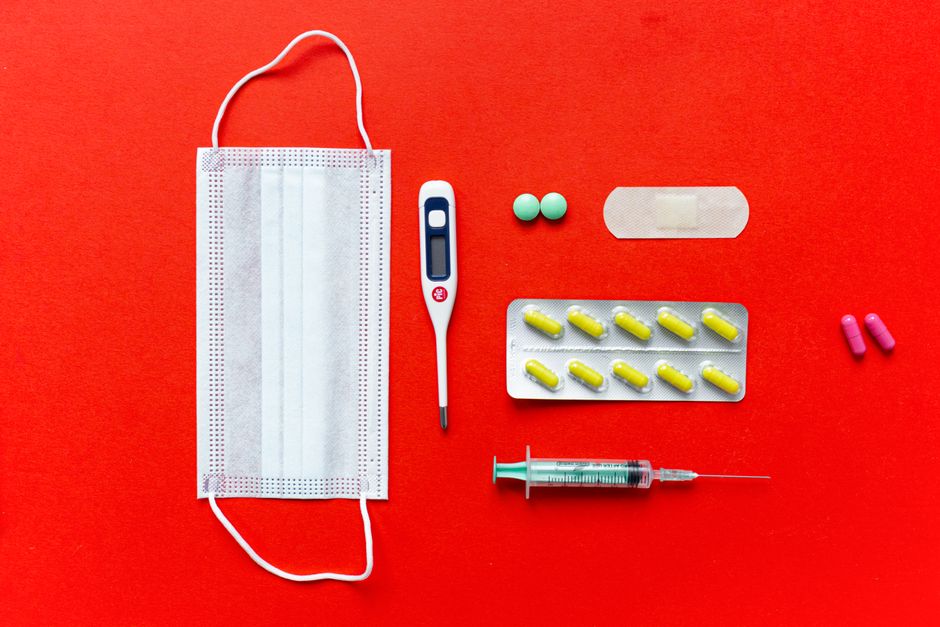
The reason the conversation around medical cannabis is sticking around is precisely because it isn't a miracle. It’s medicine. It’s a regulated, patient-centered option that exists alongside other treatments. The "quiet" mainstreaming we are seeing is simply the result of more people realizing that they have the right to access legitimate, evidence-based care through official channels.
If you are exploring this, please remember:
Verify the source: If it’s not coming from a registered specialist through a legal UK clinic, it’s not the regulated path. Prioritize the consultation: Use the telehealth services to have a real, frank conversation about your history. Don't hide the "Tuesday" problems—be honest about what your daily life actually looks like. Ignore the noise: Avoid the "wellness" marketing fluff. Look for the clinical evidence.At the end of the day, your health isn't a social media post or a buzzword-heavy lecture. It’s your Tuesday. And if you’re finding ways to make that day a little more manageable, a little more stable, and a lot more human, then you’re doing it right.